










1. Light Oak Sideboard: The Hidden Trick Against Natural Yellowing
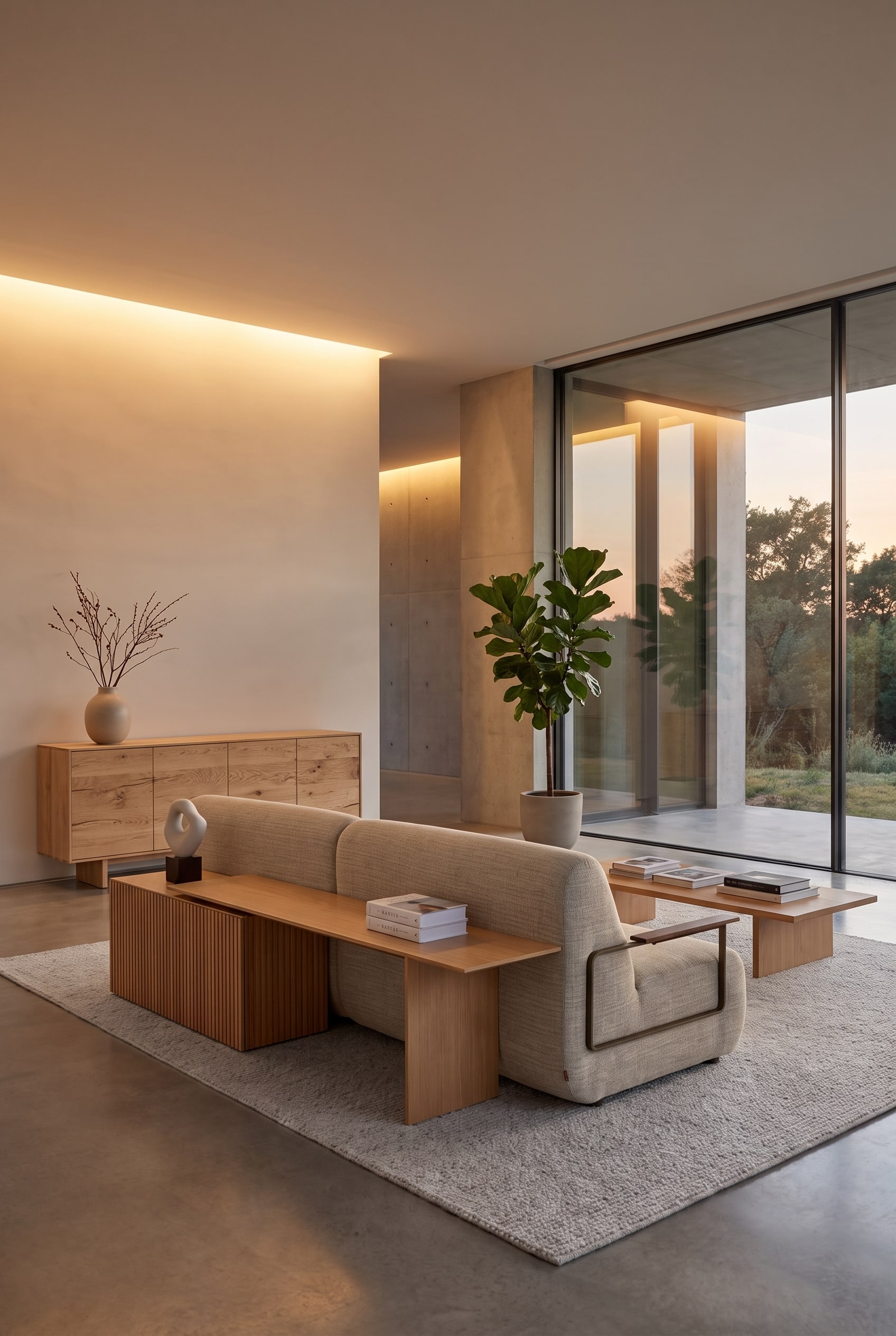 Product shown true to original. Room styling created by digital staging.
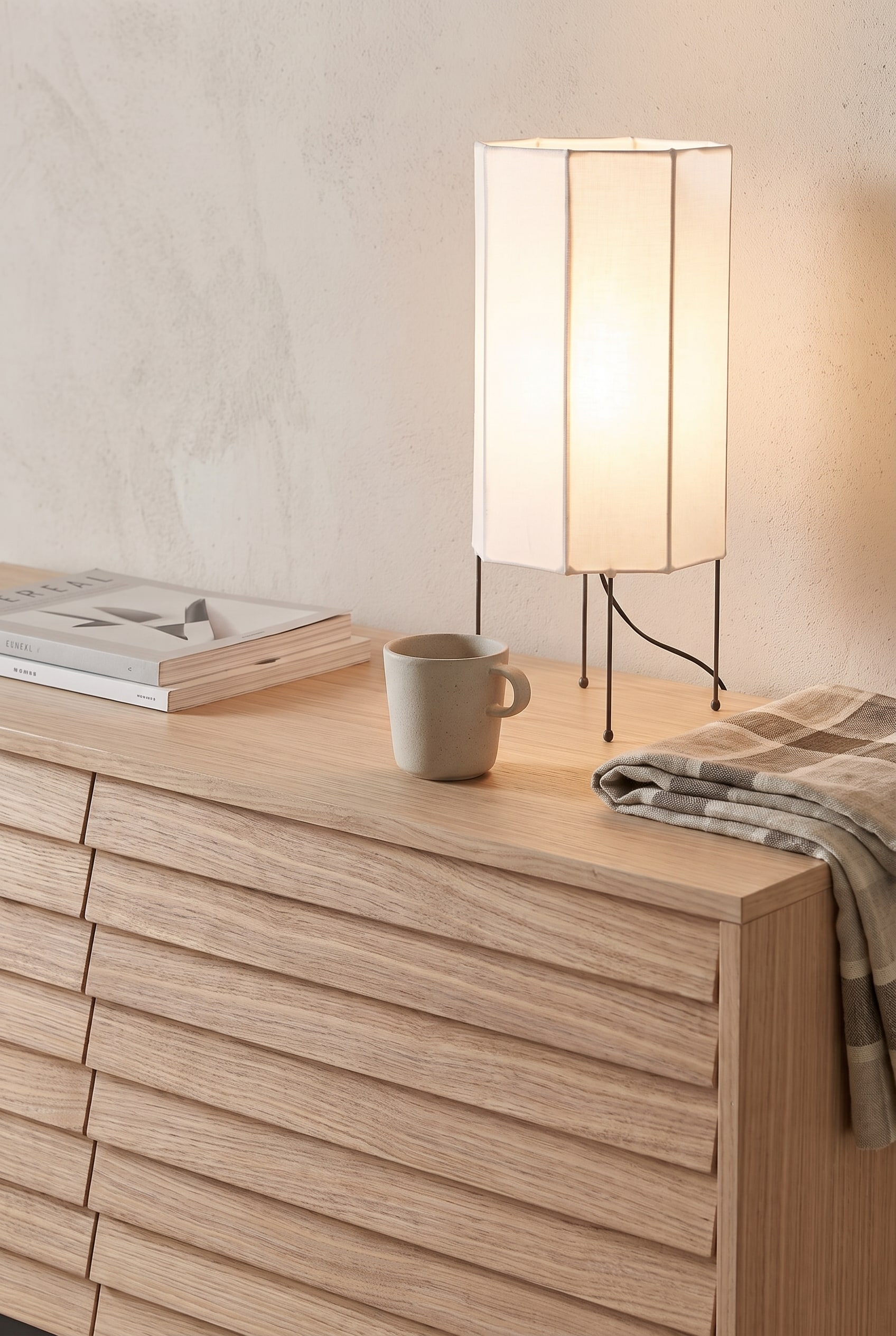
Light oak has long shed its rustic image of past decades. In contemporary designer interiors, it presents itself as matte, puristic, and extremely elegant. High-quality processing often uses white-pigmented oils that protect the wood from natural darkening or yellowing due to UV radiation. This way, the fresh, woody character is permanently preserved. If you plan a wooden lowboard in light oak, you achieve an optical brightening of the room, which comes into its own particularly well with large window fronts.
A common planning error concerns the combination with the floor. Never try to match the exact shade of an oak parquet floor with the furniture piece down to the millimeter. Nature cannot be standardized – small deviations quickly look like an unfortunate coincidence. Instead, opt for a deliberate contrast, as we show in our article on Warm Minimalism and Strict Geometry. A light wooden body develops a much stronger sculptural presence on a darker floor or a poured screed.
How to achieve the perfect staging:
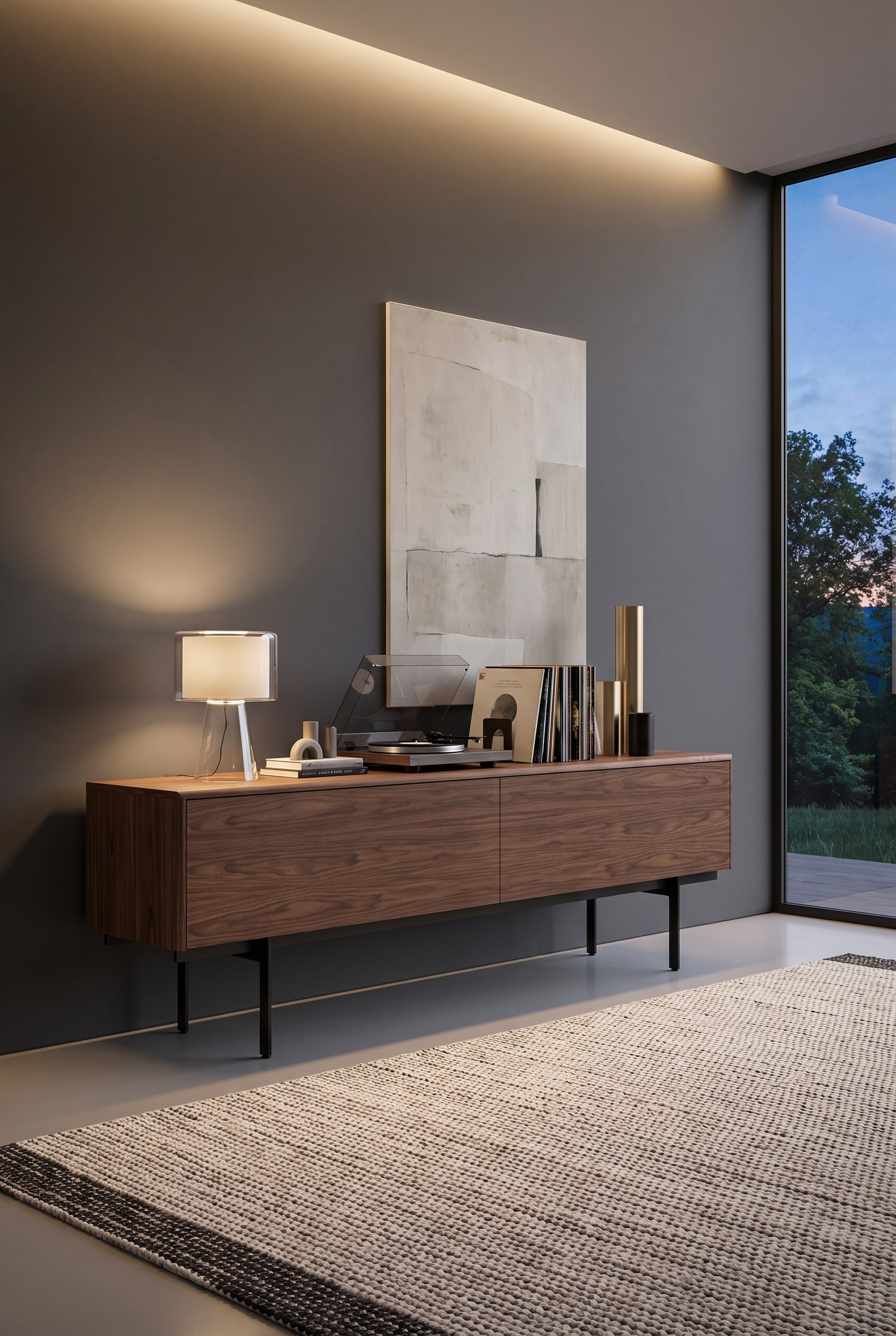
- Place the light oak furniture in front of a darker accent wall (e.g., muted sage green or deep gray) to make the light grain shine.
- Avoid glossy decorative elements and instead choose matte ceramics or open-pore clay.
- Use indirect plinth lighting to make the wood appear to float.
Livarea Expert Tip:Always opt for a brushed surface with light oak. Brushing out the soft summerwood portions makes the hard annual rings haptically palpable and softens the room light.
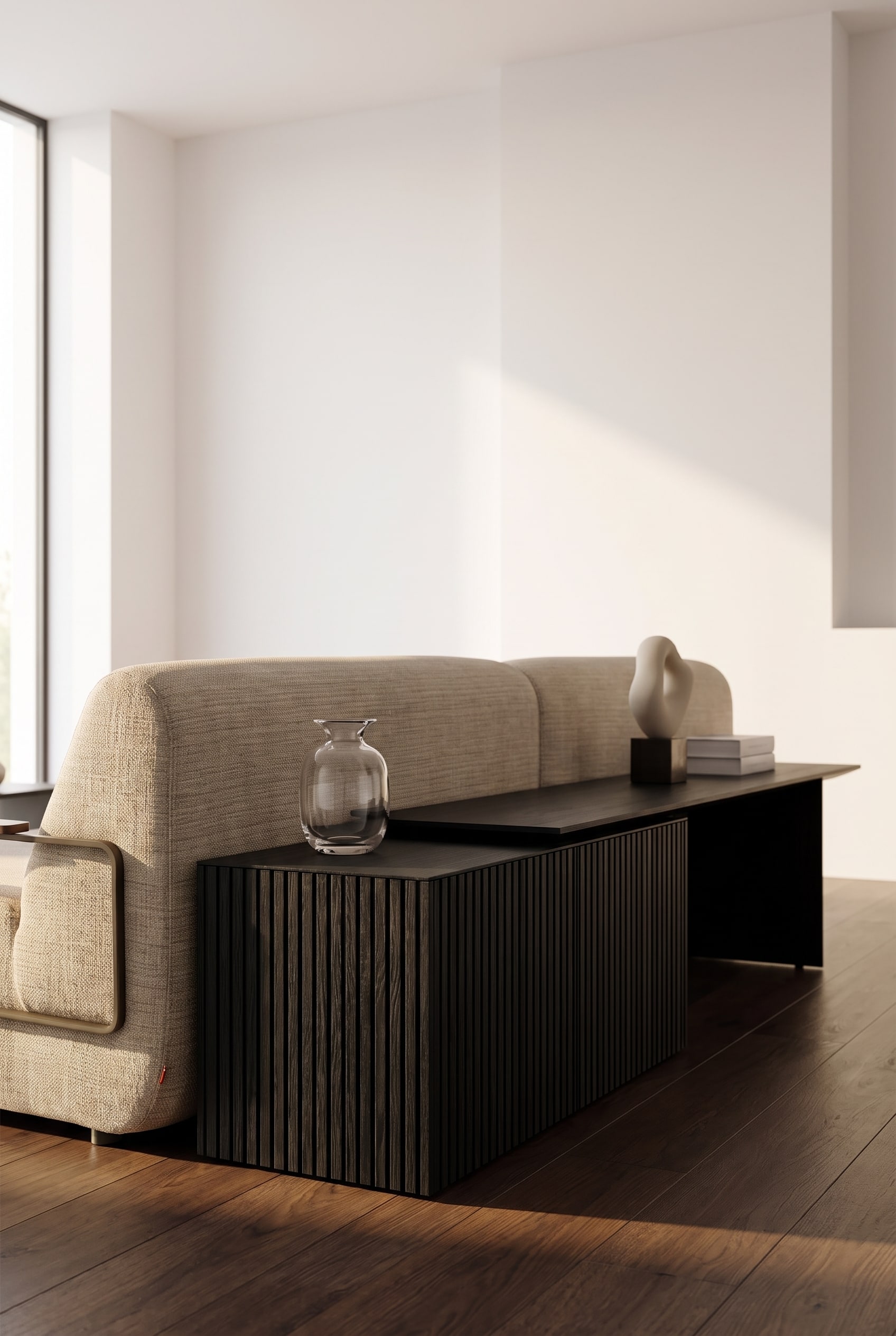
Furniture Tip for Seamless Design: The distinctive vertical slat structure and the prominent, unlacquered wood grain make the Punt Velasca Sideboard a prime example of Scandinavian lightness at the highest level of craftsmanship.