










1. Garden Shading as an Architectural Element: The Textile Angle Rule Professionals Keep Secret
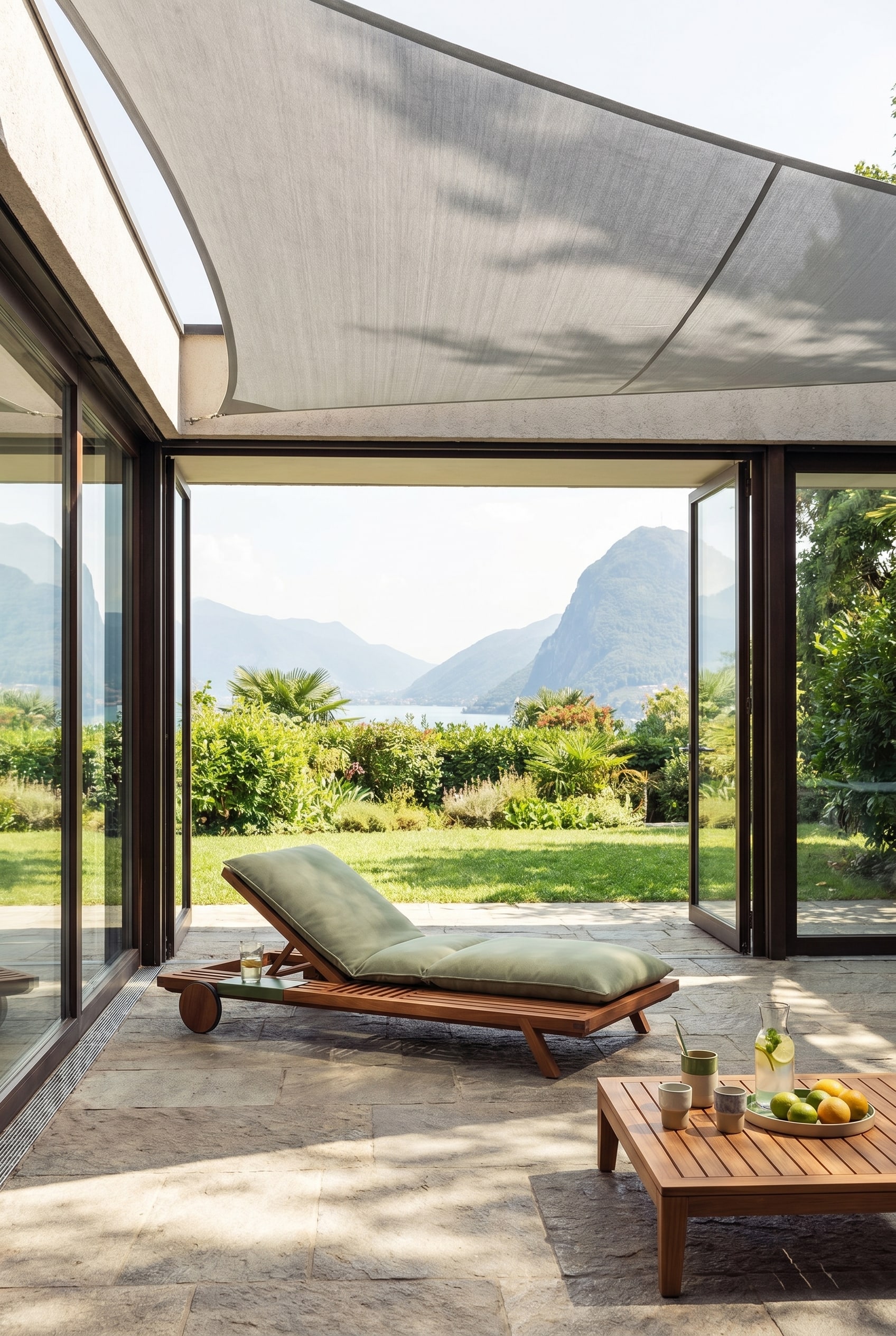
Textile sun protection creates a wonderful lightness outdoors, but it harbors physical pitfalls. A flatly stretched sun sail acts like a closed lid when exposed to direct sunlight: warm air collects underneath, and the perceived temperature rises drastically. Architecture professionals therefore strictly adhere to the 30-degree tilt rule. Only when the sail has a significant slope can the rising heat flow upwards unhindered, while cooler air flows in from the sides.
At the same time, the choice of membrane structure defines the quality of the shade. While inexpensive polyester blocks heat but also stops circulation, premium manufacturers in 2026 are relying on micro-perforated acrylic fabric. These tiny air channels in the material reduce heat build-up by up to 35 percent. Similar to how we explain the perfect radiation geometry in a room in our article on correctly positioning floor-standing speakers, a sail also requires precise three-dimensional alignment to unfold its full effect.
How to achieve it in 3 steps:
- Determine the main sun position at 3 PM for your terrace.
- Fix the lowest point of the sail precisely on this axis to minimize glare.
- Tension the fabric with a tensile force of at least 40 kg to prevent sagging and annoying flapping in windy conditions.
Livarea Expert Tip:For large sail areas, choose light ash or sand tones. Pure white reflects light too aggressively and dazzles the eye, while deep black absorbs too much heat radiation.
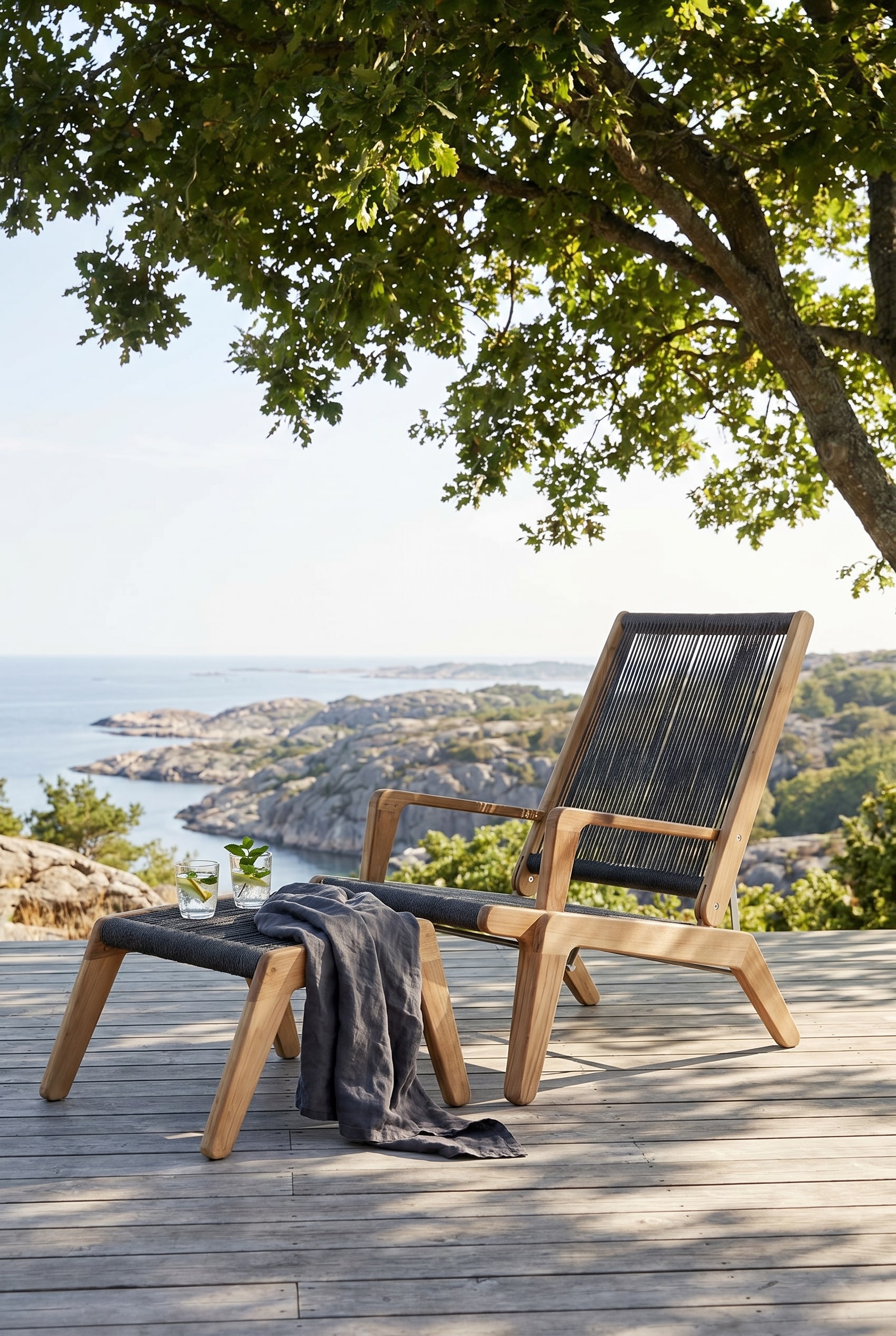
Furniture Tip for Relaxed Afternoons: Under the weightless canopy of a perfectly tensioned sail, the space calls for a lounge that offers solid grounding. The Prostoria Umomoku Outdoor Garden Collection, made of solid wood and voluminous cushions, grounds the airy setting and cradles the body with uncompromising comfort.