










1. Combining living room furniture: How the sofa directs room flow
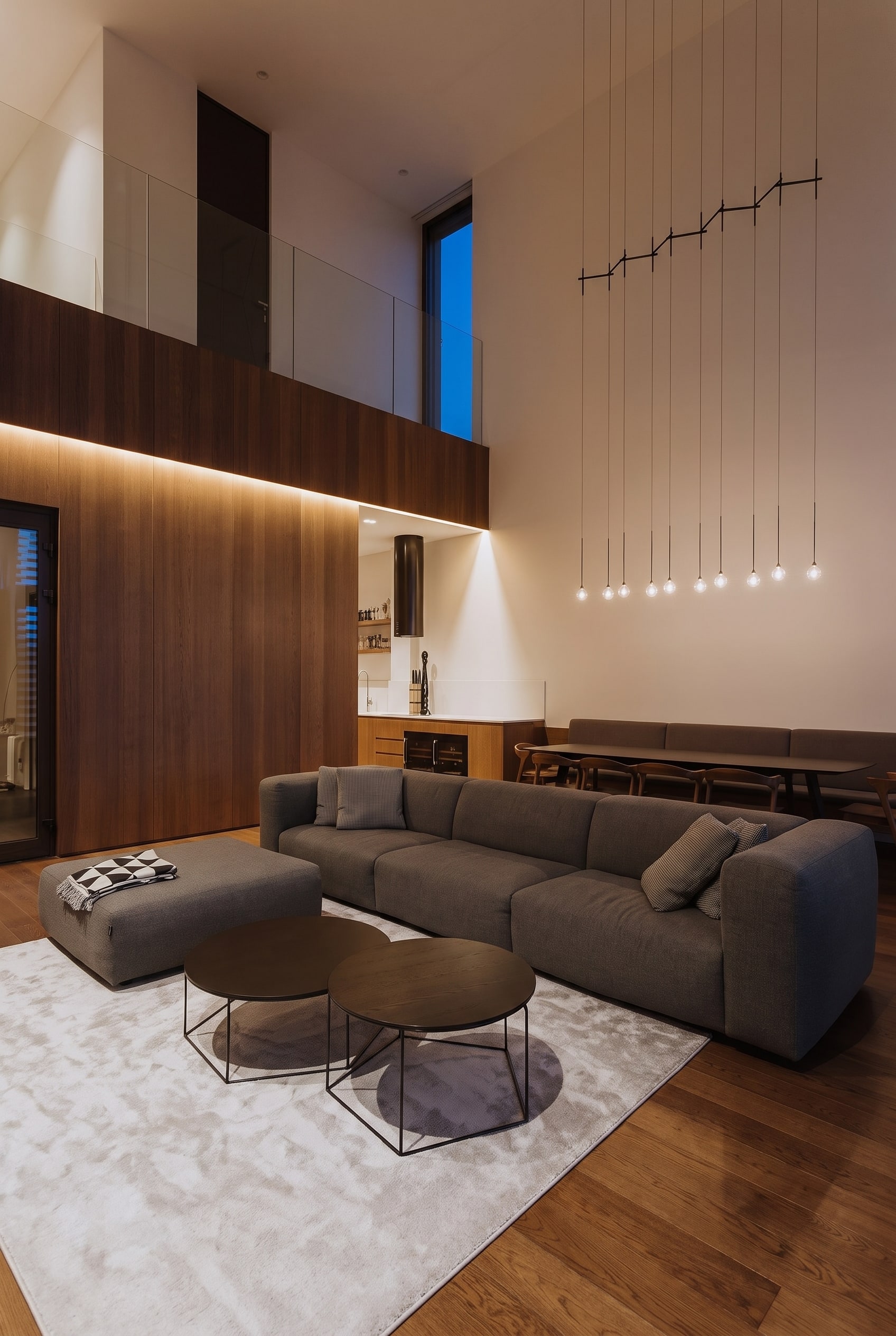 Product shown true to original. Room styling created by digital staging.
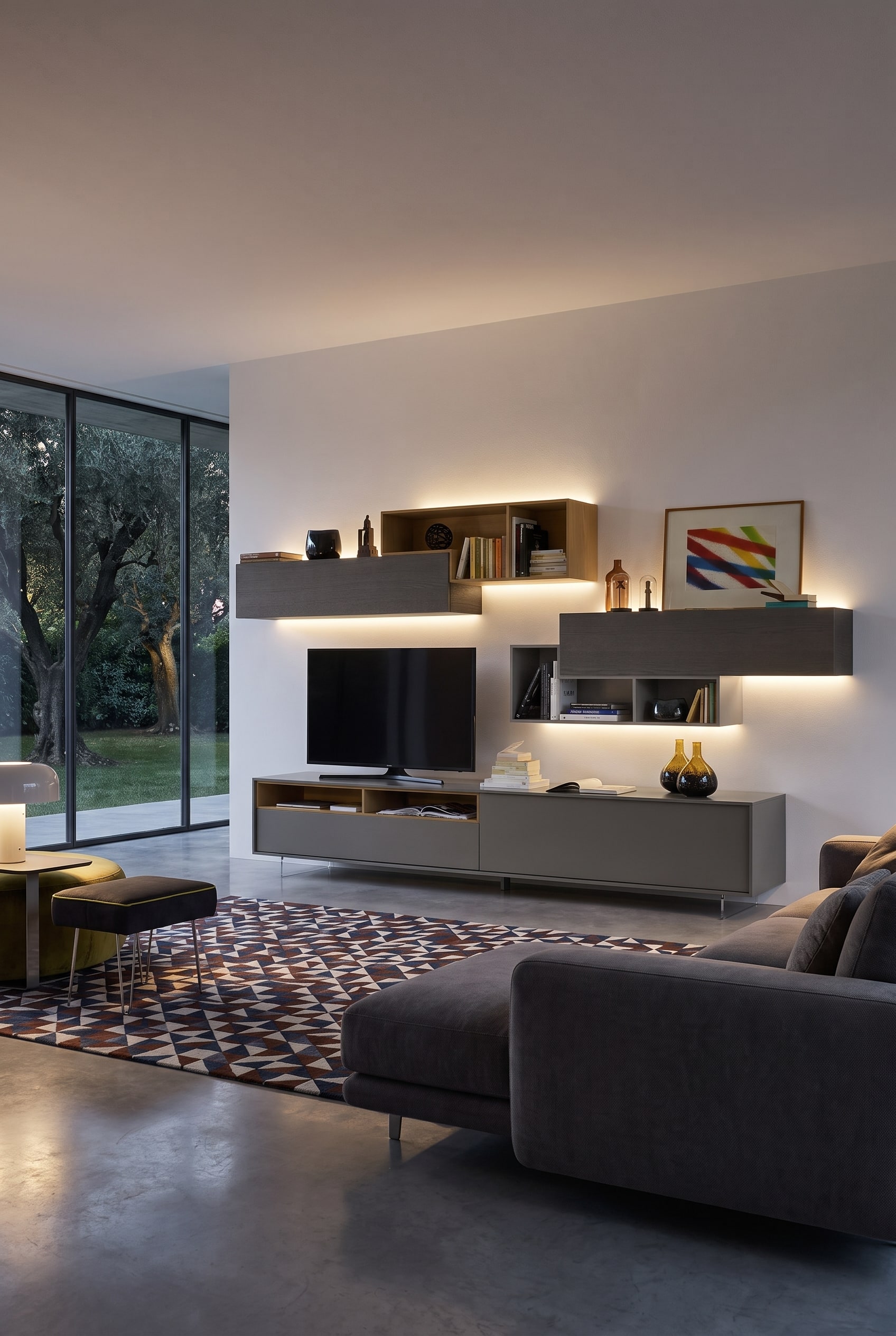
Every well-thought-out room concept begins with a clear focal point. When combining living room furniture, the sofa inevitably takes on the role of the visual anchor. Its position in the room not only dictates the later placement of the living wall but also defines the fundamental traffic paths. Before adding further elements, the orientation of the seating arrangement must strictly respect architectural features – such as window fronts or room doors. Particularly voluminous, low-lying upholstered furniture requires precise spatial placement to appear harmonious.
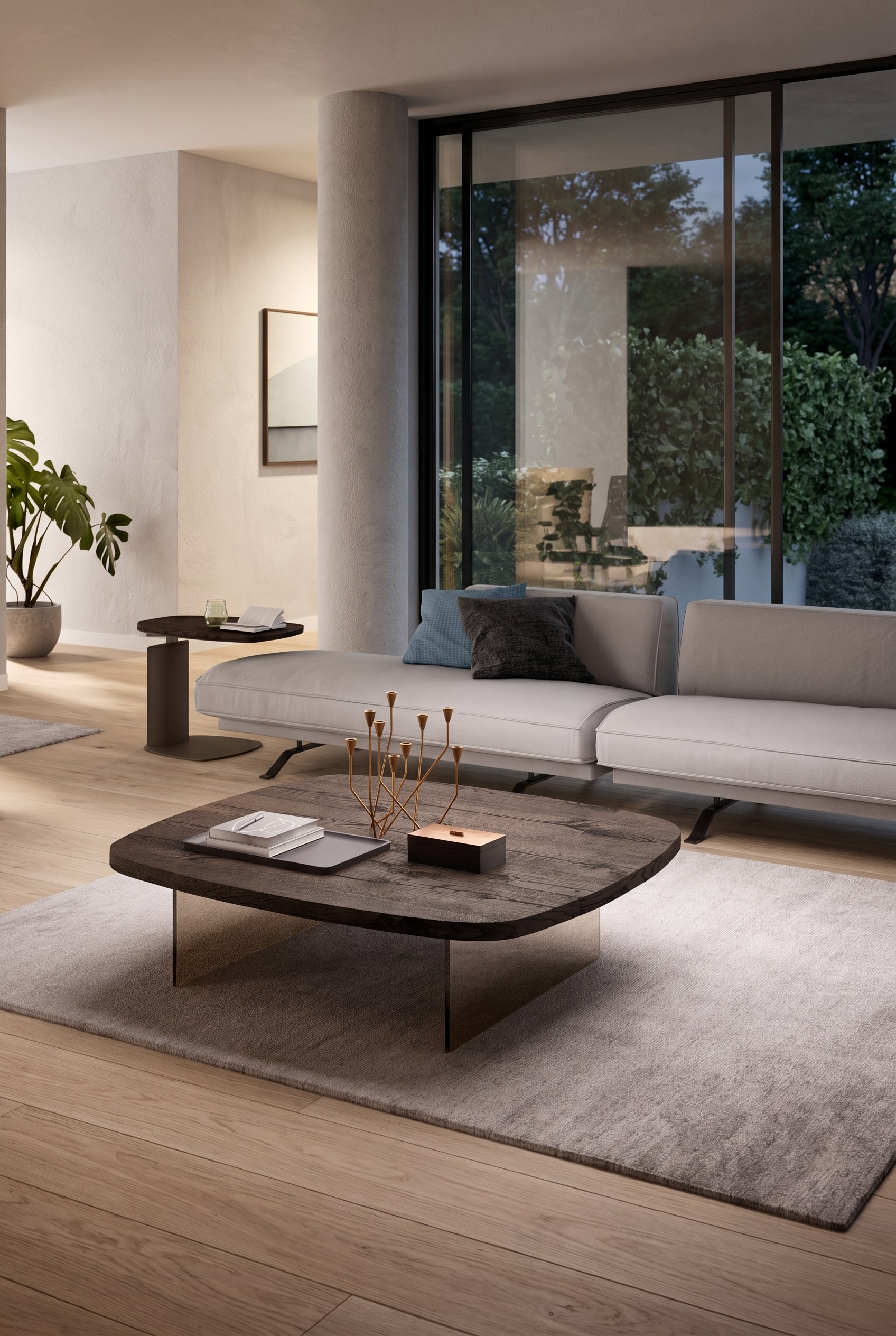
Interior designers often work with the so-called sightline. This means: whoever enters the room should look at the open front or the side of the sofa landscape, not at a massive back. Especially with modern, modular sofas that rest low to the ground and forgo delicate feet, this orientation is crucial. They exude enormous comfort, but their compact body creates a strong visual presence. For such a model not to appear like a barrier, the surrounding free space must be generously proportioned.
Livarea Expert Tip:Always calculate a walkway of at least 80 centimeters around a freestanding, massive sofa so that the room flow is not disrupted and the proportions in the living area are maintained.
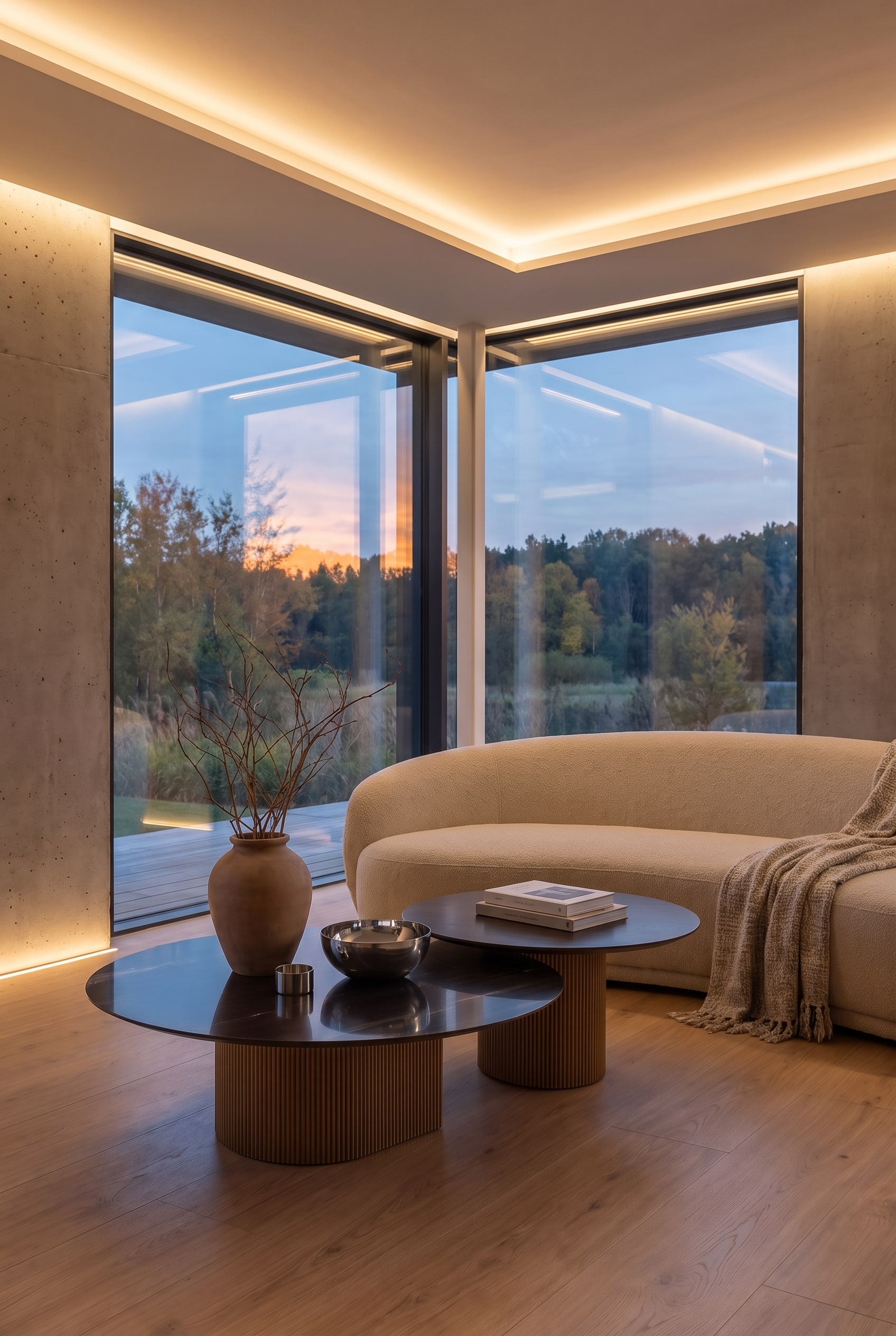
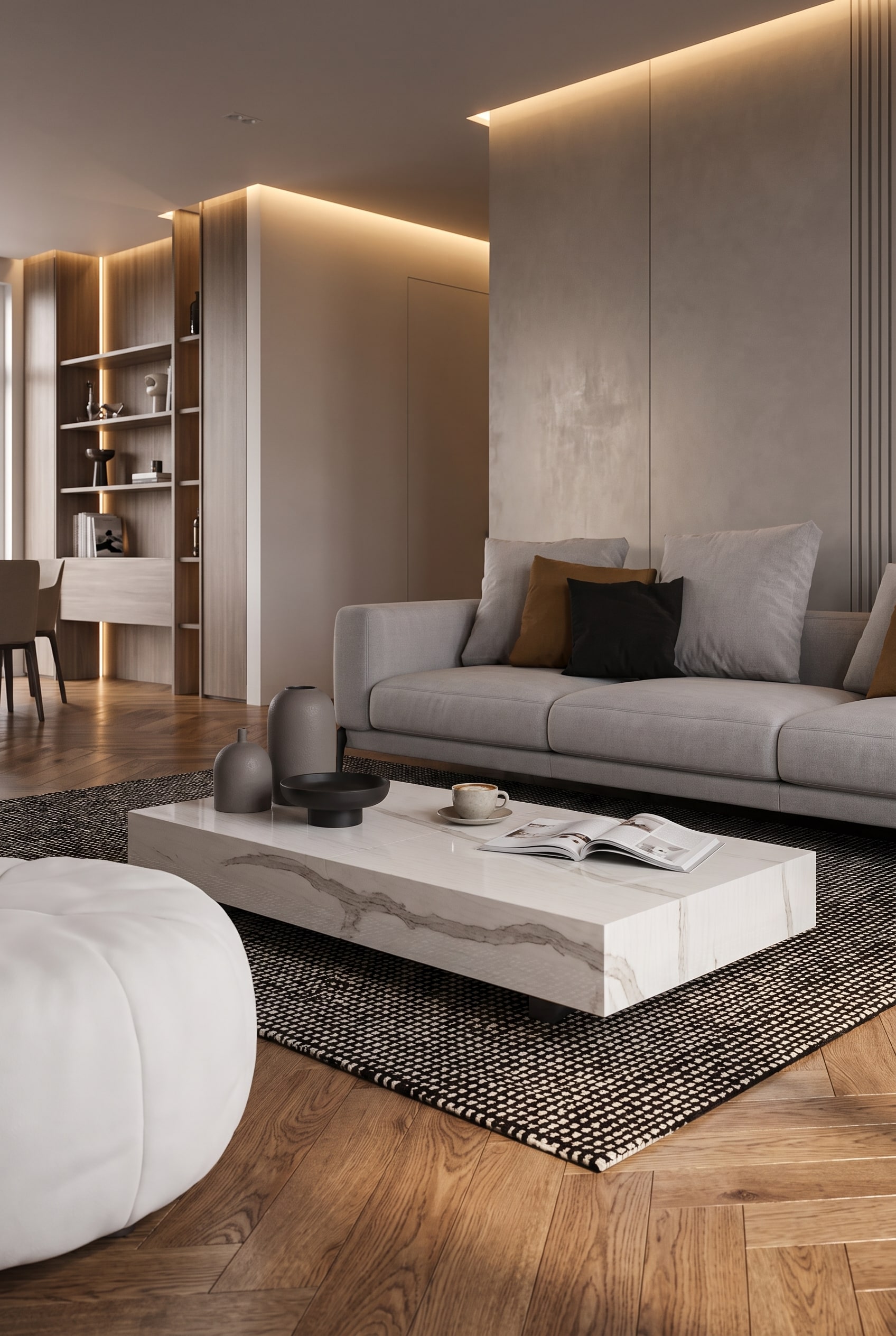
When choosing materials, it is advisable to carefully check the natural light incidence. Dark fabrics absorb daylight and make a low-lying couch appear more compact, while light covers reflect light and give the volume lightness. This balance is essential if you are planning closed cabinet furniture on the opposite side. A harmonious balance between the massive upholstery and accompanying elements ensures final harmony.