













- Dark Sideboard: Master Elegant Integration with al2 Designs
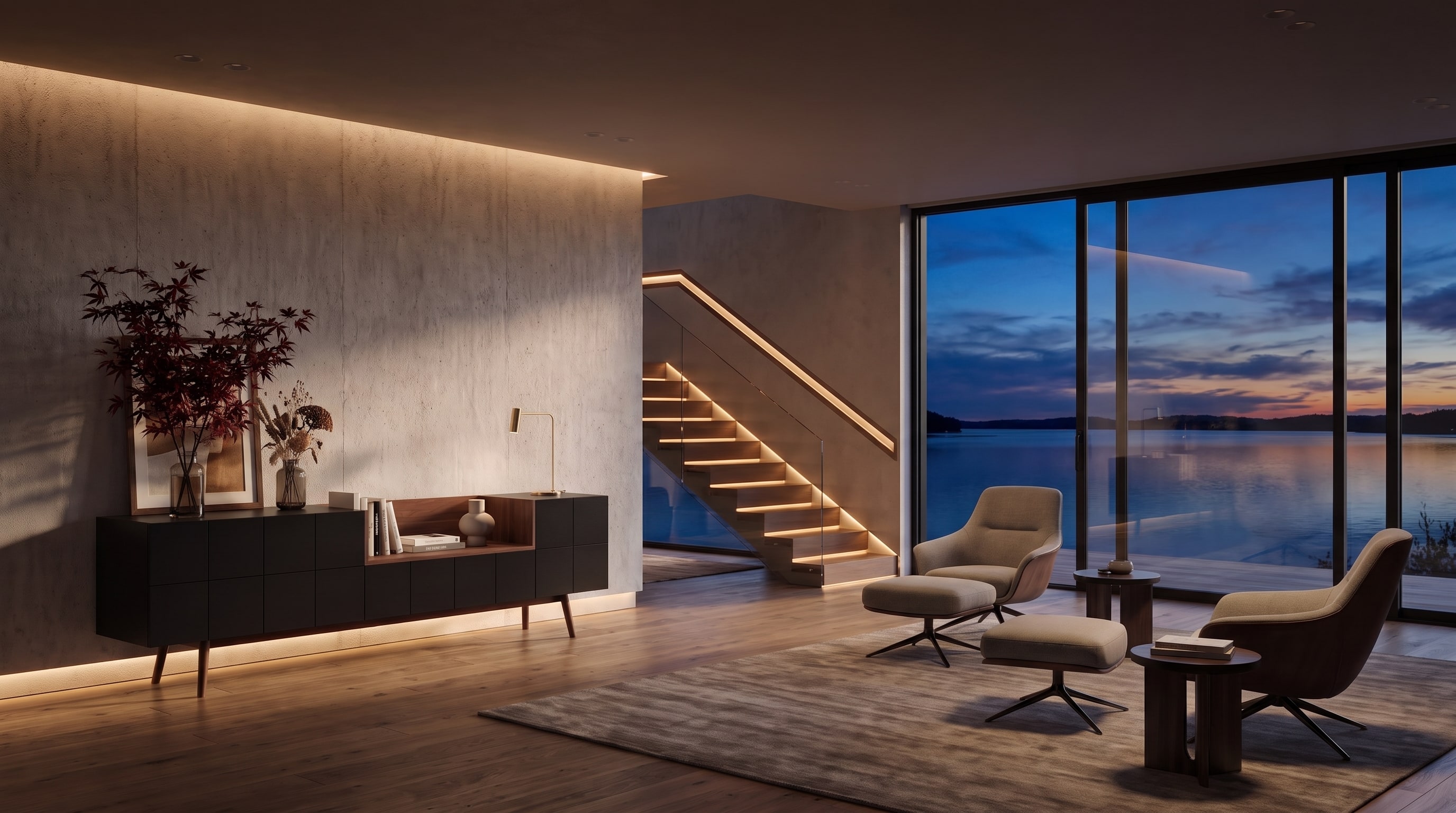 Dark Sideboard: Master Elegant Integration with al2 DesignsA striking piece of furniture provides essential grounding for spacious rooms. Through detailed photographs, we reveal how deliberate contrasts can fundamentally transform a room's ambiance.
 - 12 Desk Ideas: The Hidden Ways Pros Conceal Their Home Office
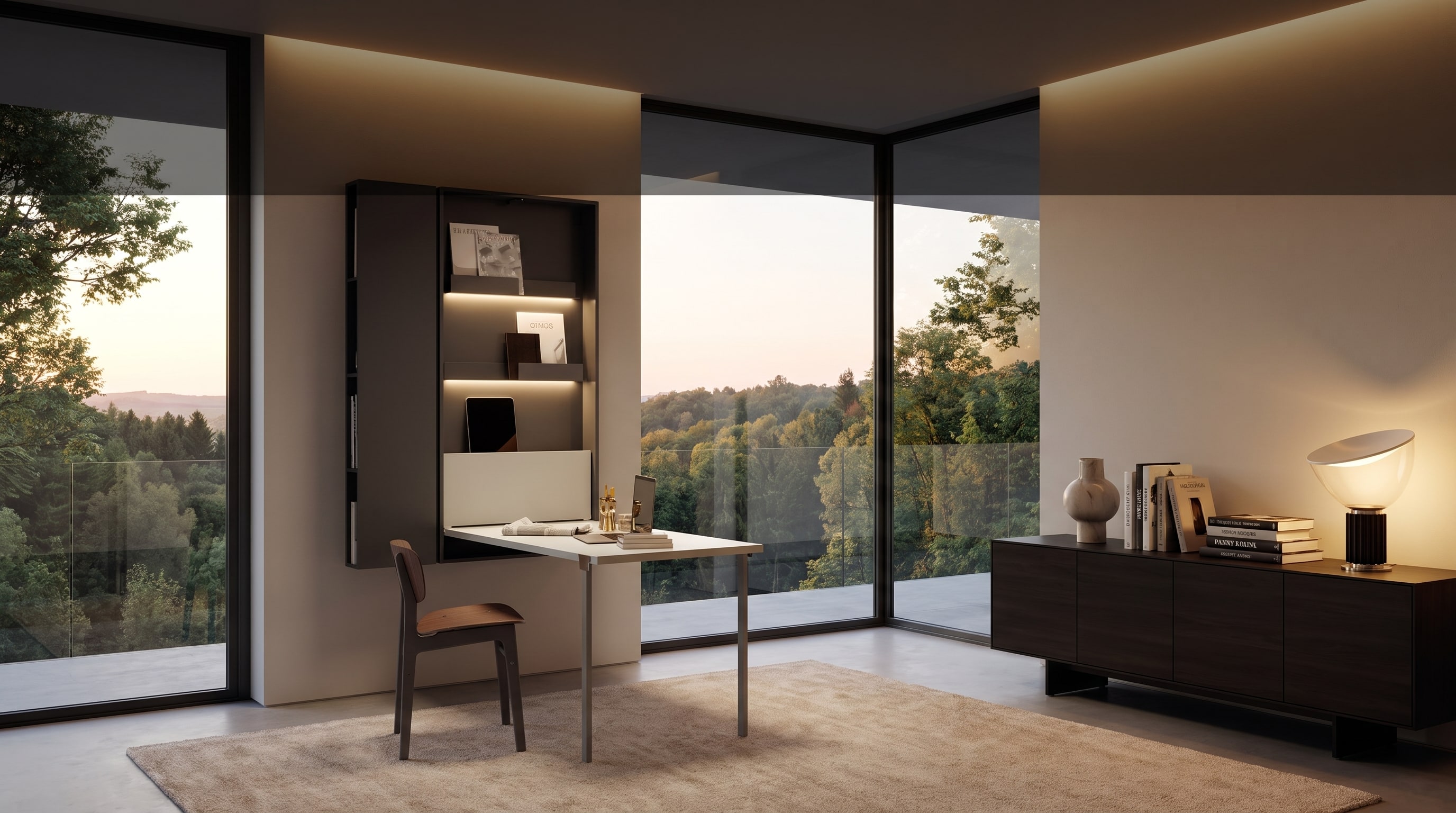 12 Desk Ideas: The Hidden Ways Pros Conceal Their Home OfficeA functional workspace doesn't have to destroy the cozy aesthetic of your home. We show you 12 design-oriented architectural solutions for how your desk can blend invisibly and stylishly into your living room or bedroom.
 - 12 Staircase Ideas: Transform Transit Spaces into Living Extensions
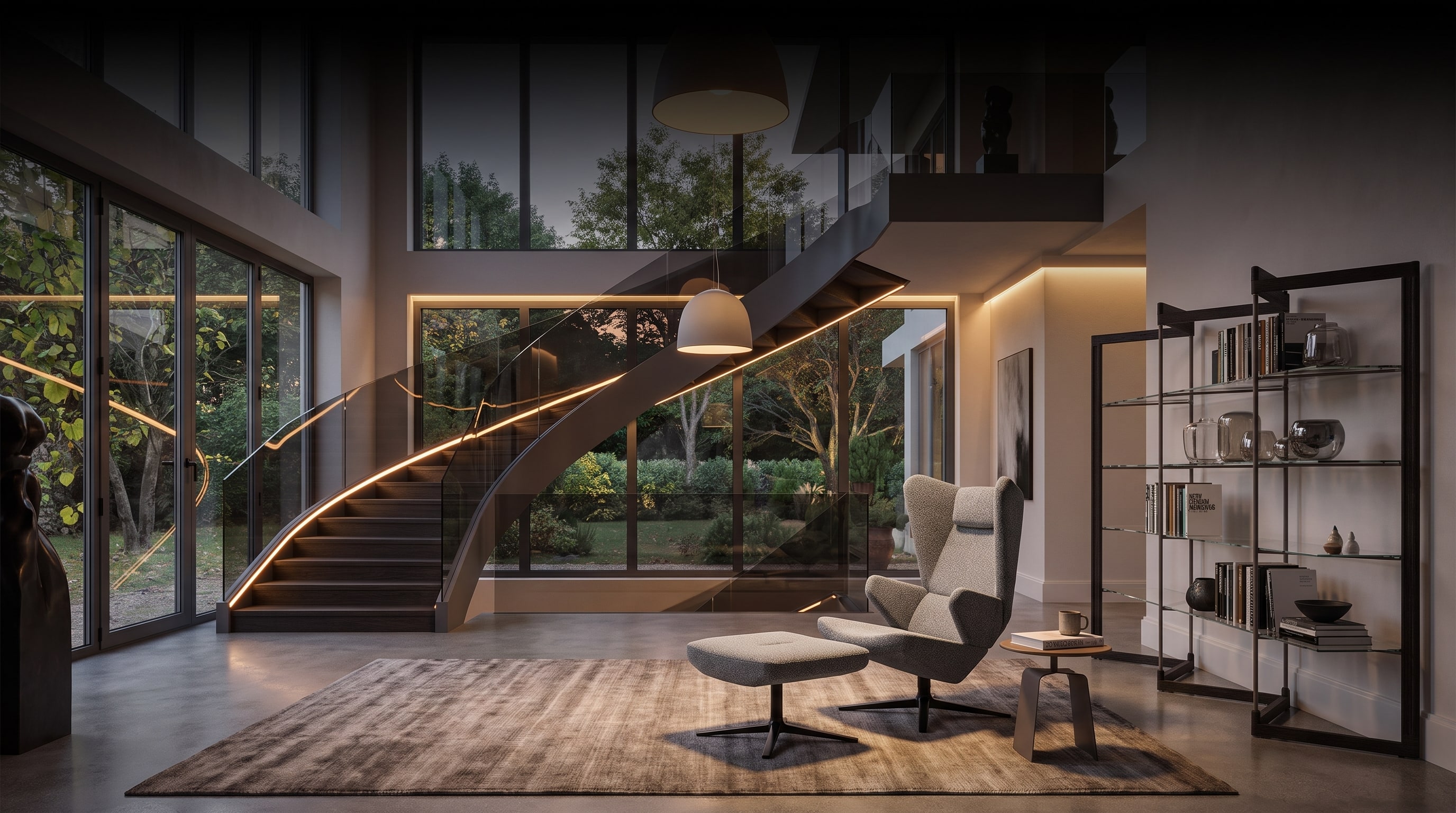 12 Staircase Ideas: Transform Transit Spaces into Living ExtensionsDiscover how unused niches and empty landings can be transformed into stunning highlights with smart shelving systems, perfect lighting architecture, and elegant consoles. We reveal concrete planning approaches that turn every transit space into a design-forward living zone.
 - Modern Dining Table: 12 Ideas to Visually Expand Your Room
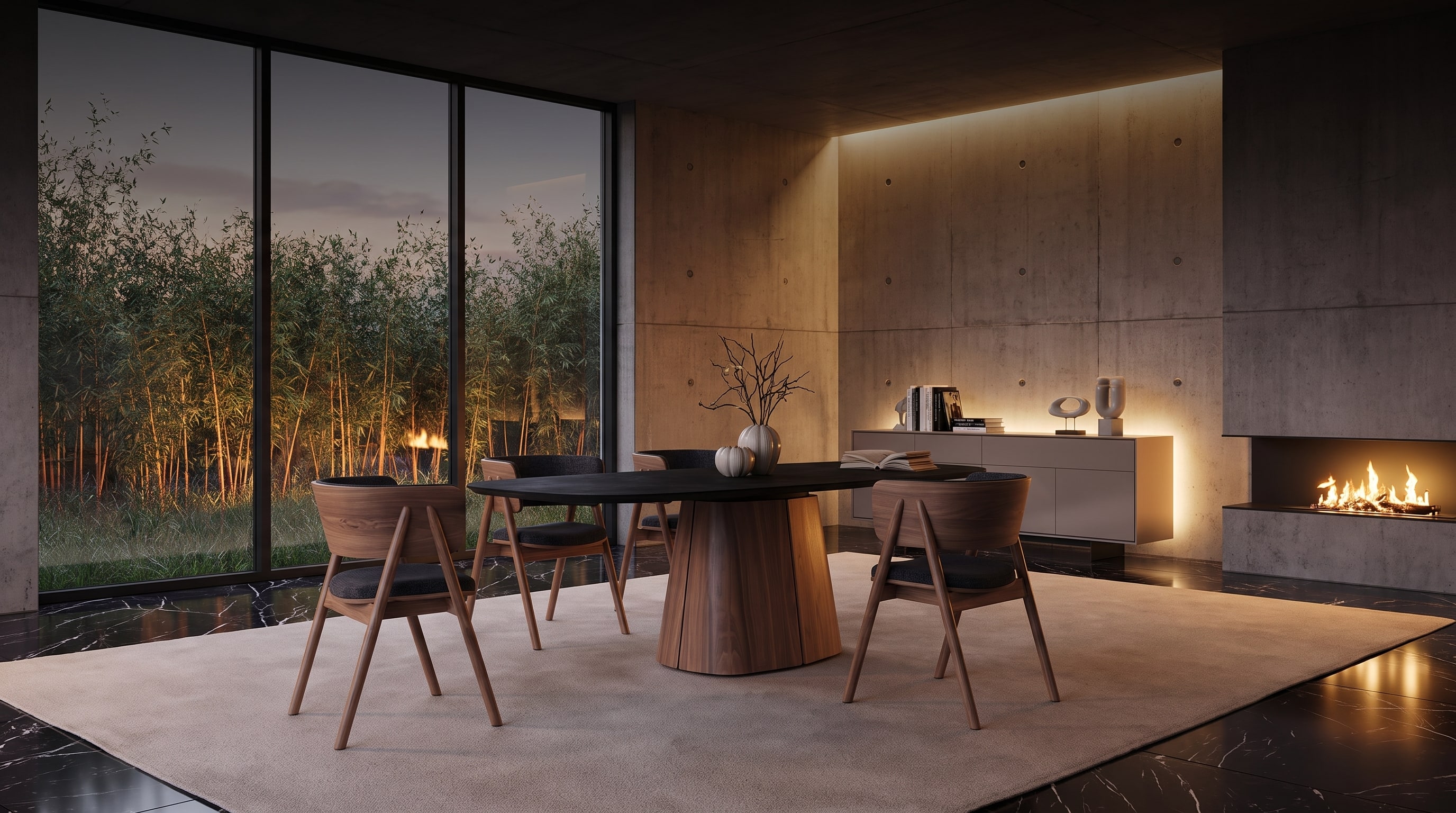 Modern Dining Table: 12 Ideas to Visually Expand Your RoomThe dining table is the social and architectural heart of the home. Discover 12 modern design concepts that combine functional flexibility with uncompromising aesthetics. From sculptural bases to clever extension mechanisms – we show you how to stylishly elevate your dining area.
 - Luxury Home Bar Living Room: The Overlooked Lounge Concept
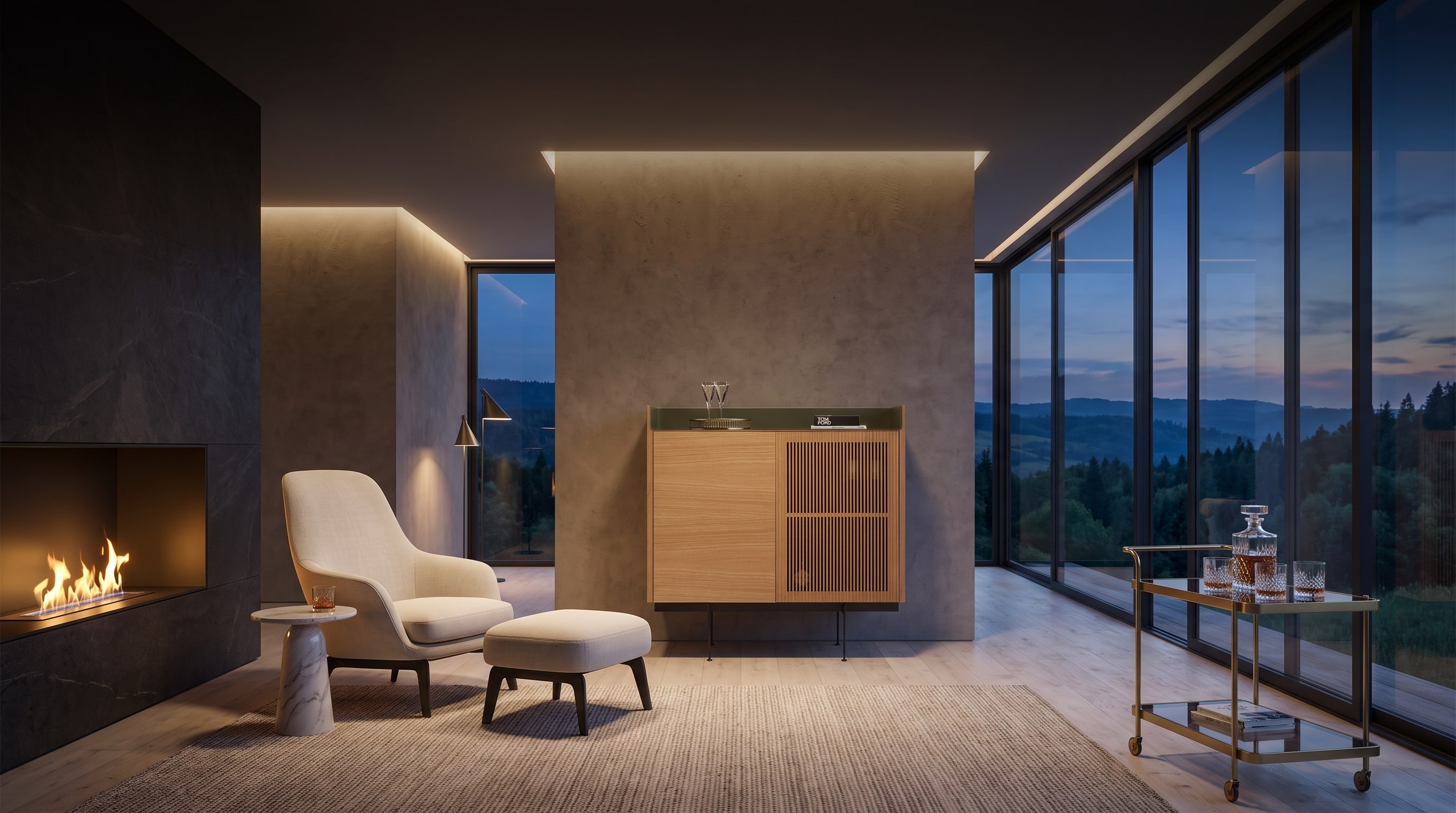 Luxury Home Bar Living Room: The Overlooked Lounge ConceptTransform a classic living room corner into a stylish lounge. We show the perfect symbiosis of exclusive storage and elegant presentation.


Discover the Top 10 Living Room Wall Units You've Been Missing
Today we are showcasing the 10 most popular living room wall units from Italy. These impress not only with modern colours, but also with interesting new surfaces and shapes. All wall units can be individually adapted to the customer's needs and offer optimal storage space for every living room. Enjoy browsing.
The 10 Most Popular Living Room Wall Units from Italy
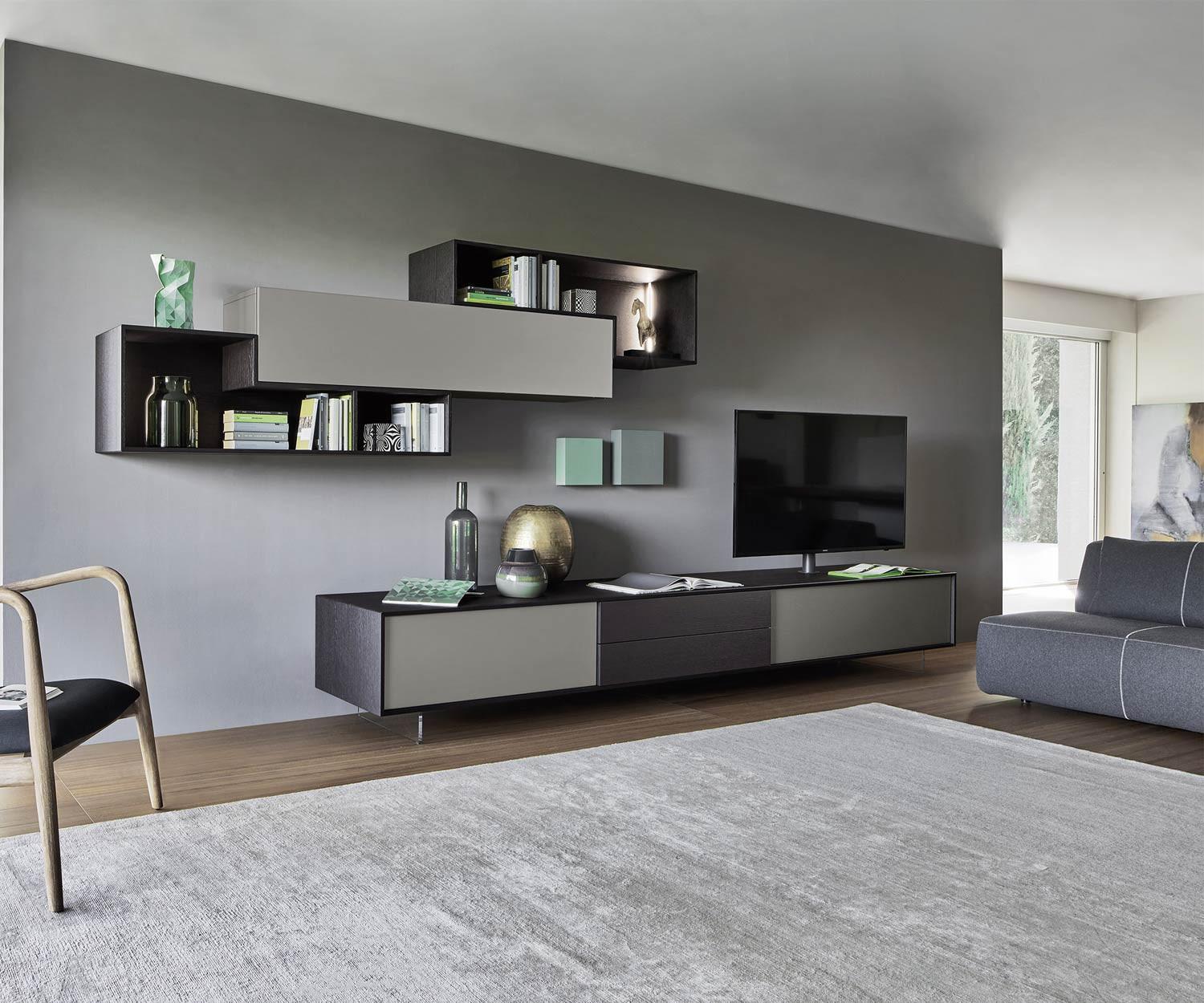 Product shown true to original. Room styling created by digital staging.
Livitalia Wall unit C18 at Livarea
The modern design wall unit features a combination of dark Carbon Oak and grey Titanium Metallic Lacquer, which gives it a fantastic touch. The design lowboard stands on a transparent base, giving it a floating appearance. The open and closed elements of the design shelving unit offer space for books and decoration.
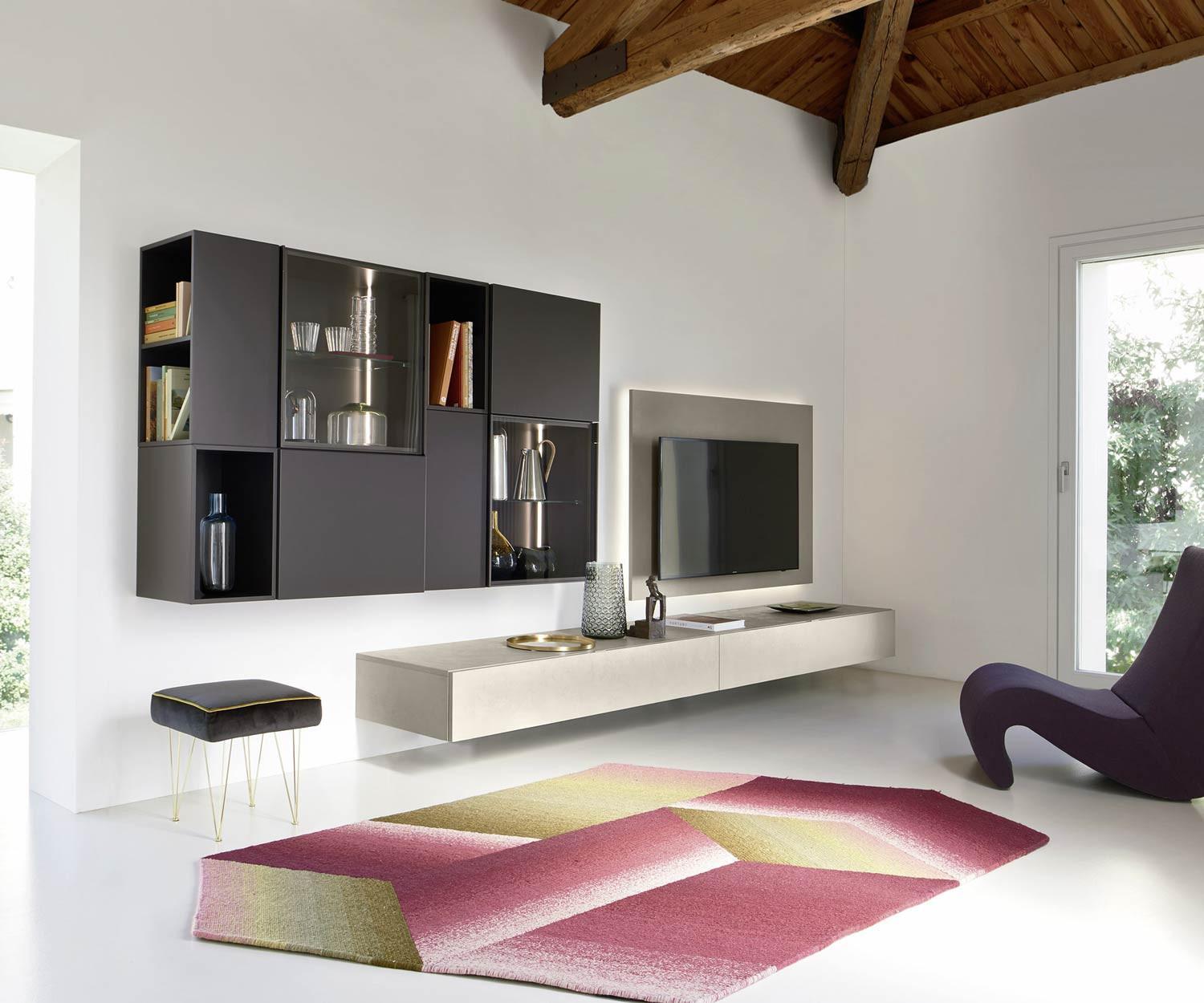 Product shown true to original. Room styling created by digital staging.
Livitalia Wall unit C39 at Livarea
With this elegant wall unit, the concrete look of the lowboard and TV panel creates a modern focal point. The matt wall cabinet with glass doors and open elements provides a stylish contrast to the concrete look. The LED lighting enhances this exceptional design, giving it a stunning appearance.
Linear design gives the wall unit a fantastic style
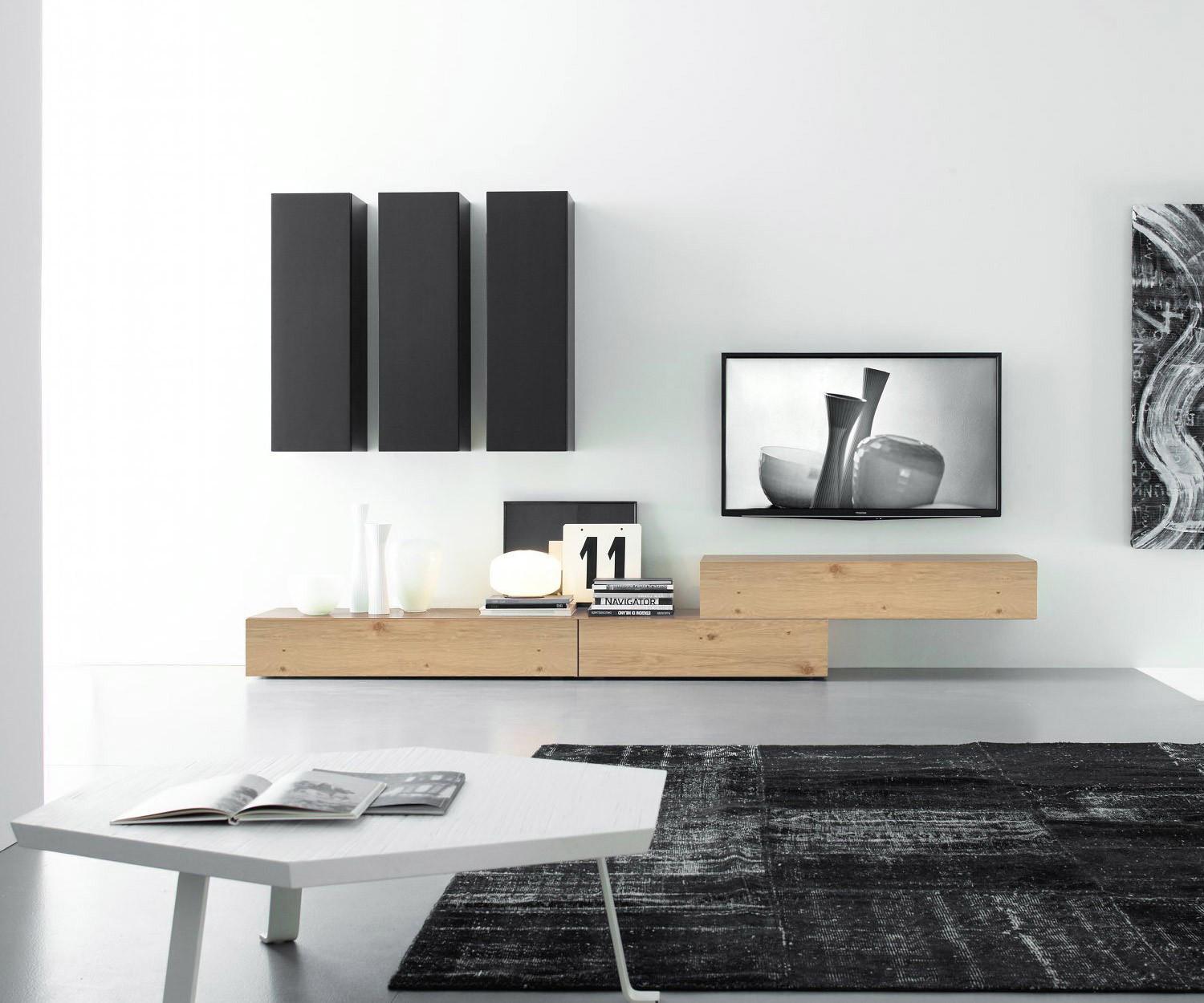 Product shown true to original. Room styling created by digital staging.
Livitalia Wall unit C14B at Livarea
Visually, this wall unit impresses with a clear, linear design; the lowboard has a staggered arrangement. All elements of this wall unit are opened and closed by a light press on the front. Behind each of the wall cabinets are two glass shelves.
 Product shown true to original. Room styling created by digital staging.
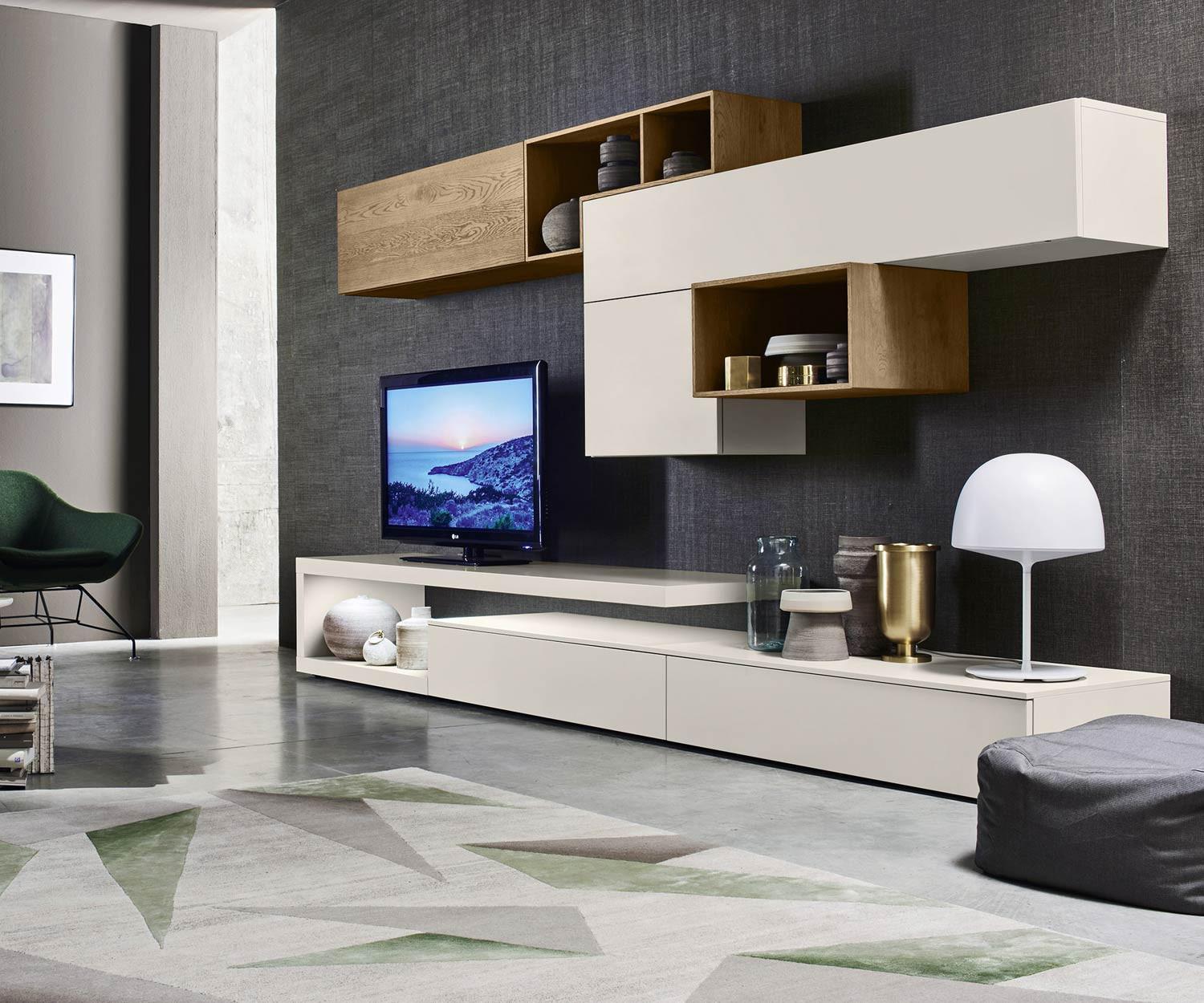
Livitalia Wall unit C22 at Livarea
The wall unit appears very stylish with its matt lacquer finish; the oak veneer of the design wall cabinets provides a natural touch, allowing the modern wall unit to complement a country house style perfectly. Large wall cabinets with flap doors provide ample storage space.
LED Backlighting: The Overlooked Detail for Your Wall Unit
 Product shown true to original. Room styling created by digital staging.
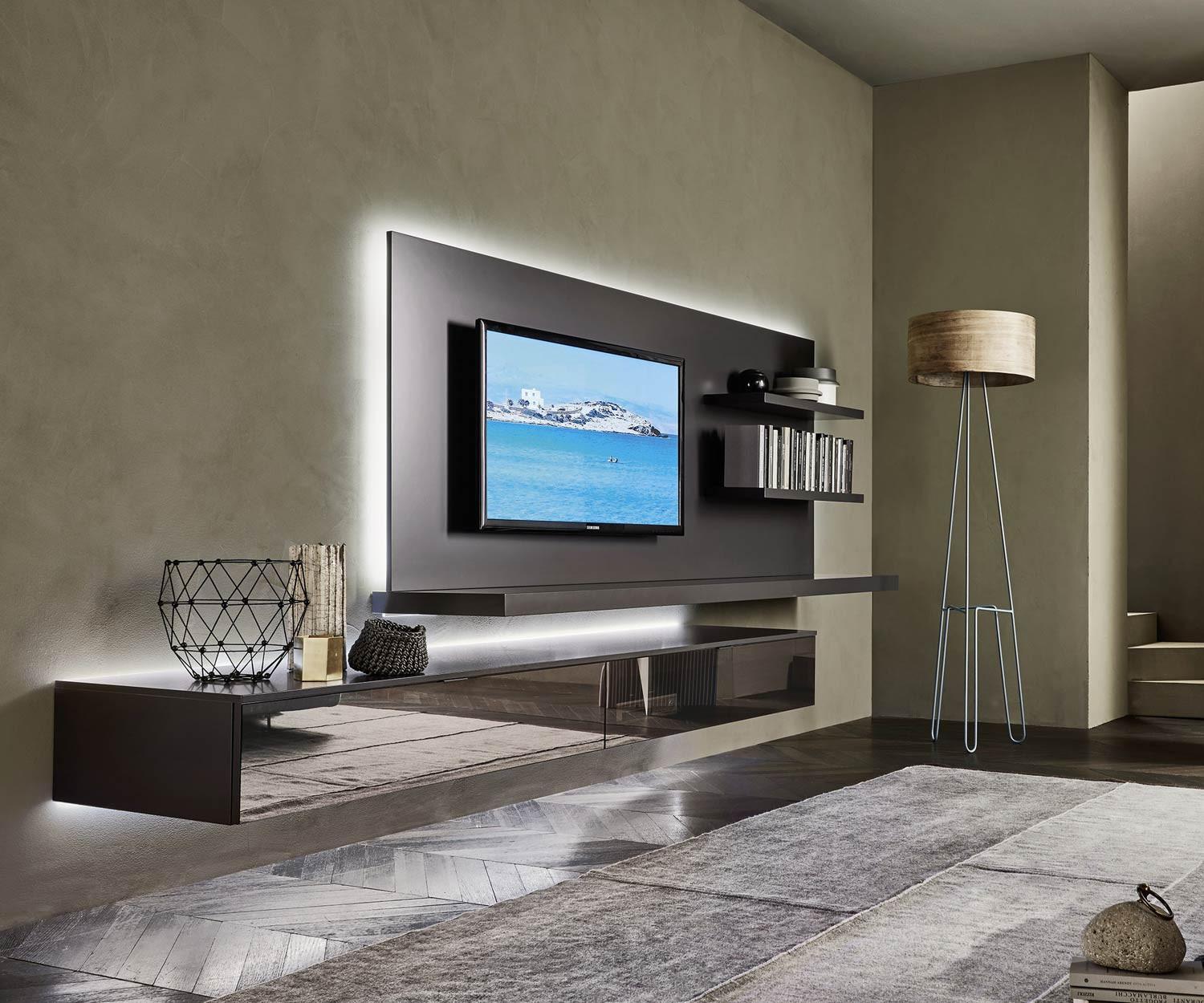
Livitalia Wall Unit C54 at Livarea
The swivel TV bracket and the lowboard with an infrared flap door make this wall unit particularly modern. It captivates with its elegant appearance; the silver mirrored door allows the remote control's infrared signals to pass through even when closed. Optionally, LED backlighting can be integrated, which creates a wonderful atmosphere.
 Product shown true to original. Room styling created by digital staging.
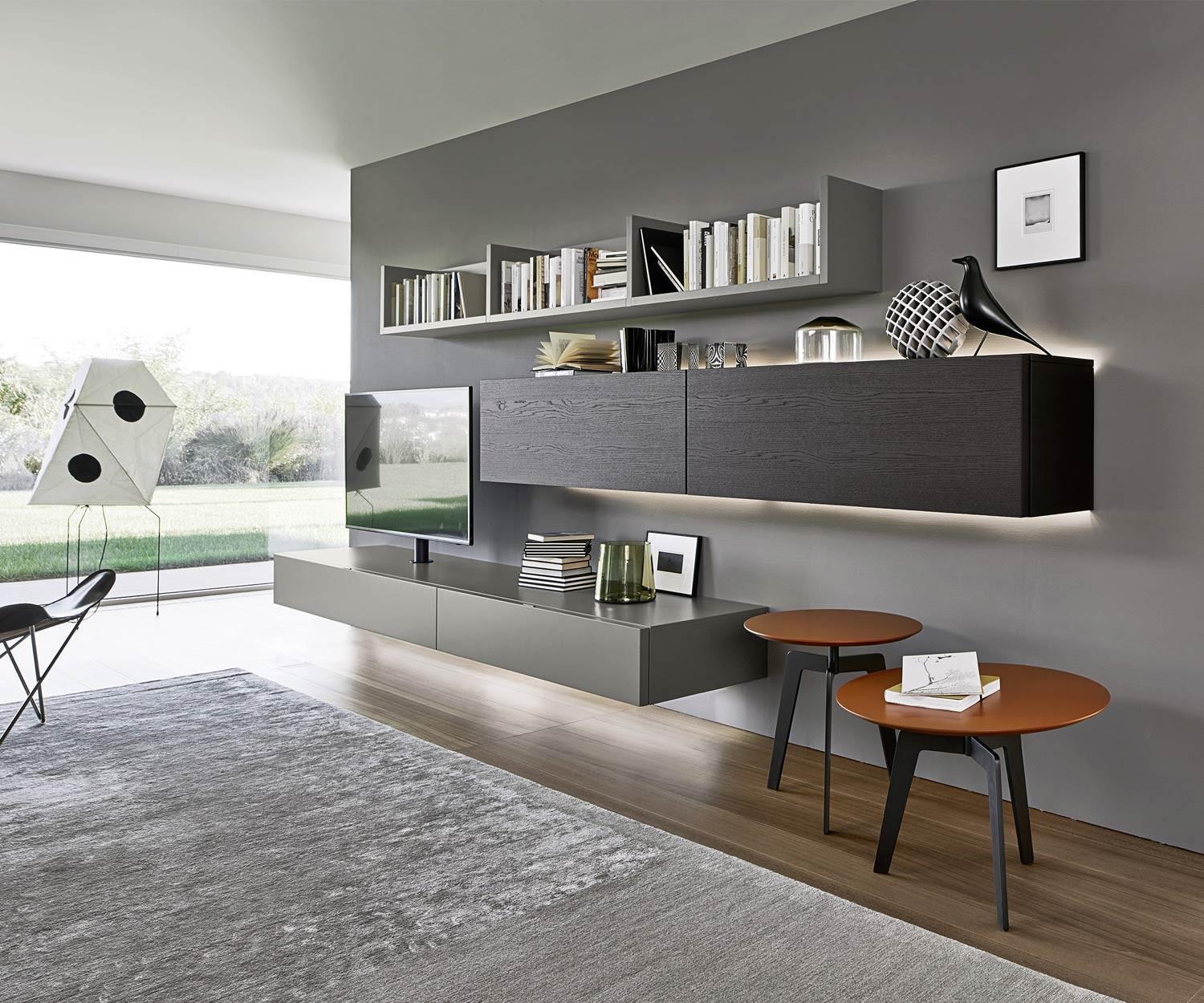
Livitalia Wall Unit C60 at Livarea
This wall unit is modern and minimalist with its two lowboards and open shelving. The wall unit features an integrated column TV bracket with cable management into a lowboard. Here, LED lighting can be optionally ordered for the interior and the back panel.
 Product shown true to original. Room styling created by digital staging.
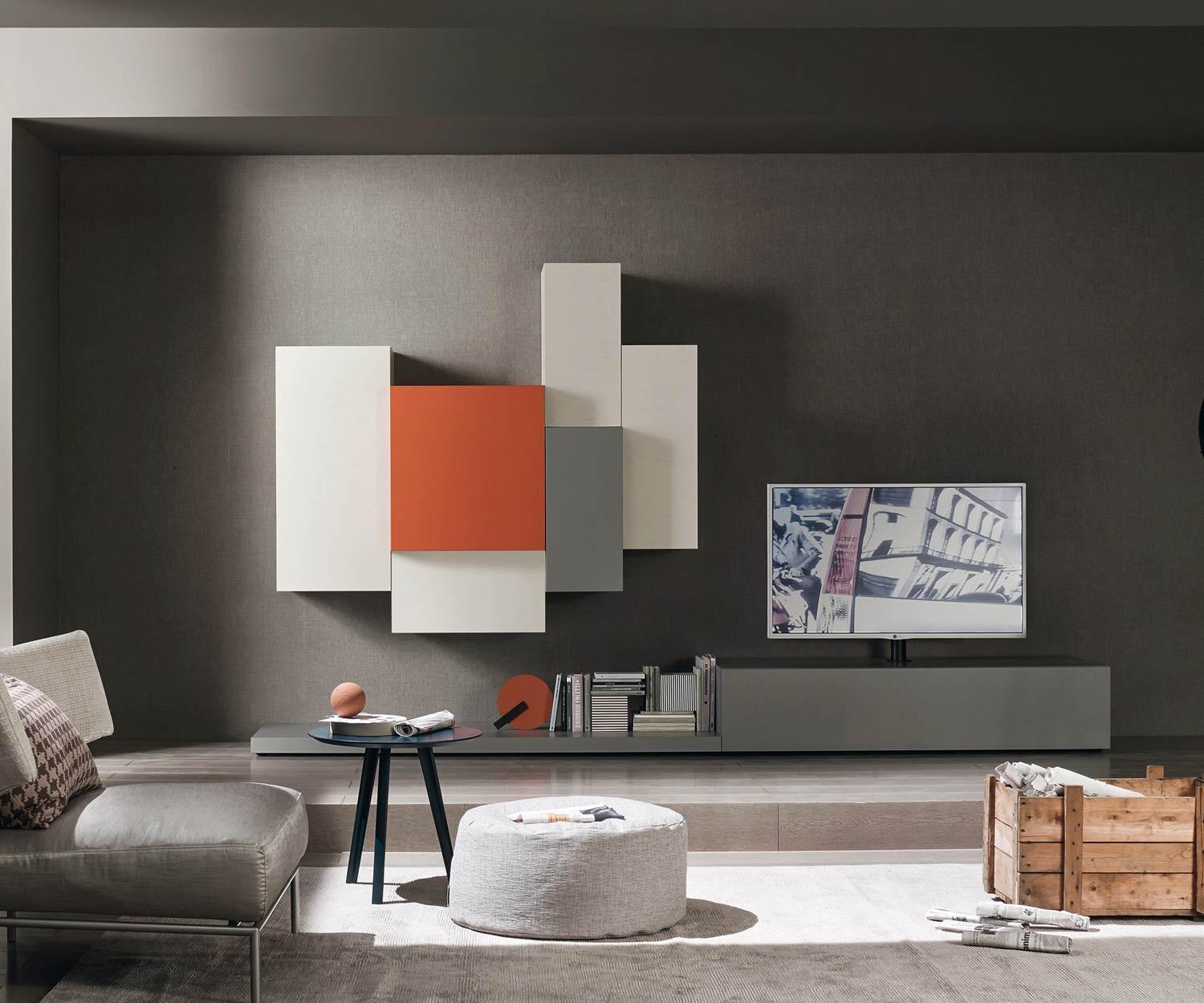
Livitalia Wall Unit C49 at Livarea
The exceptional design makes this closed wall unit so special. It features wall-mounted cabinets of different sizes with plenty of storage space; the varying depths of the closed elements create a light aesthetic. An integrated column TV bracket makes all cables visually disappear, thus completing the look. A good example that beautiful wall units come from Italy.
The Scandinavian living room wall unit is timelessly beautiful
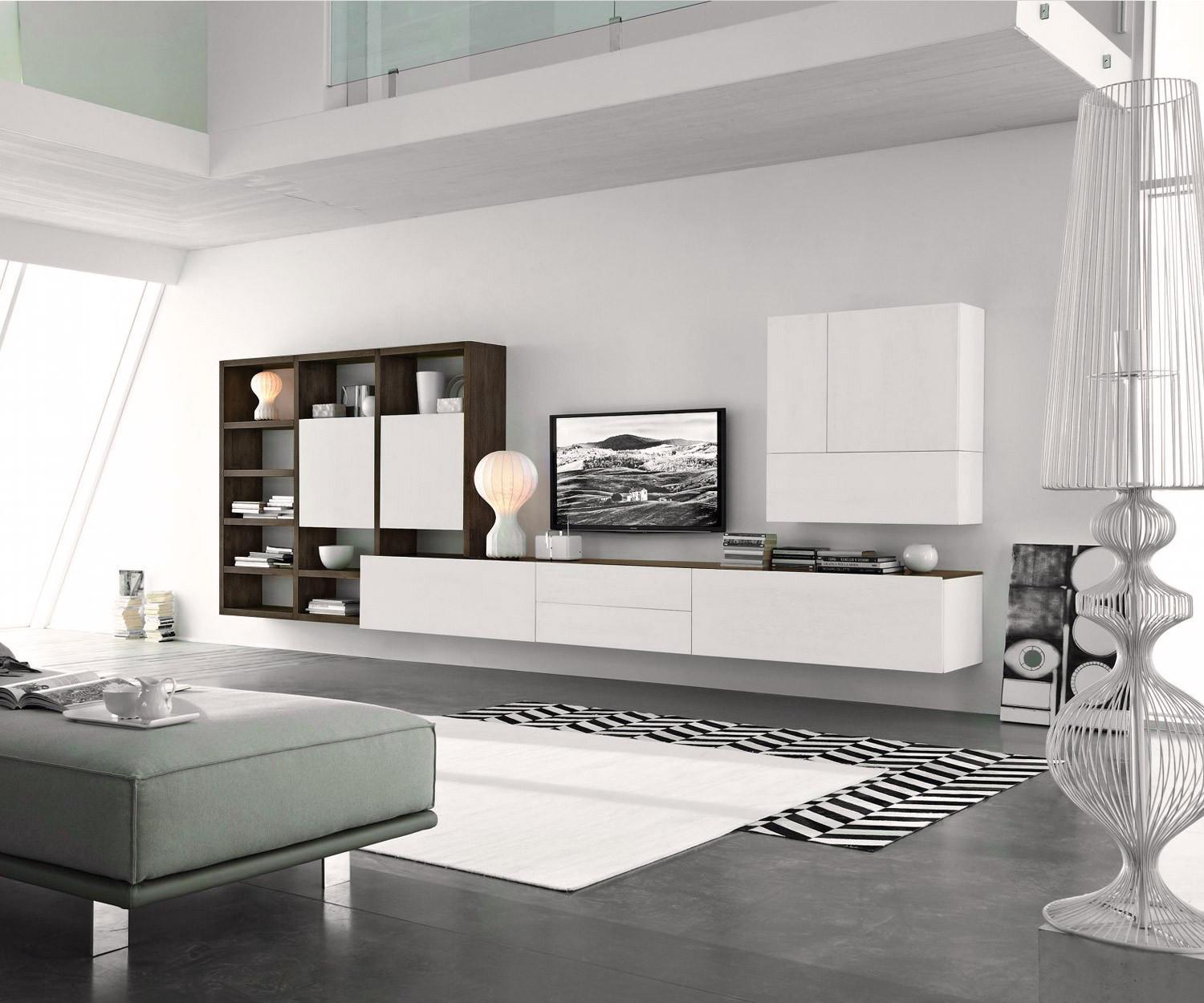 Product shown true to original. Room styling created by digital staging.
Livitalia Living Room Wall Unit C96B at Livarea
This elegant living room wall unit is a true space-saver, appearing very light due to its linear design and open shelving. All elements can be opened and closed by pressing the front. The matt finish makes this wall unit particularly elegant.
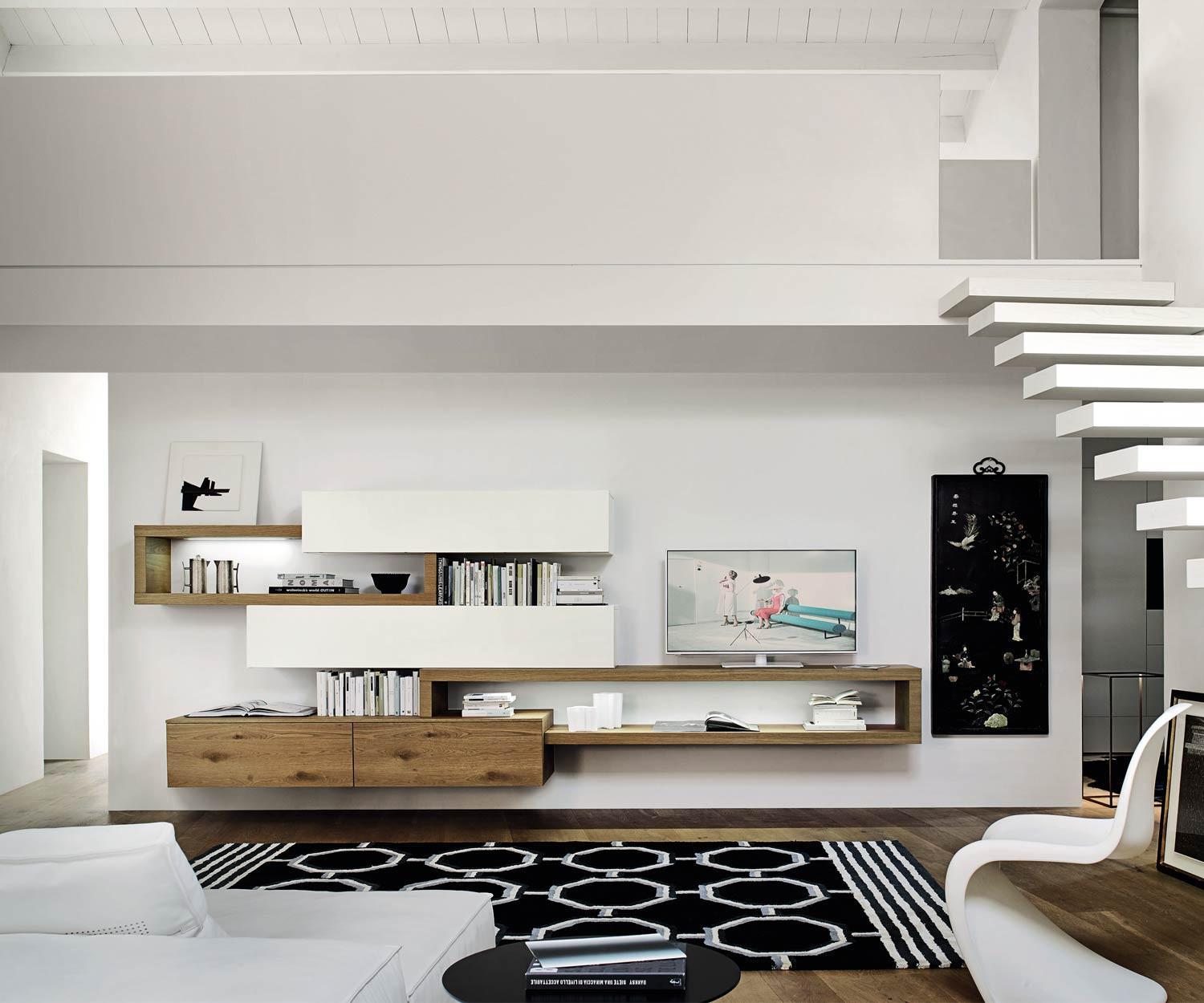 Product shown true to original. Room styling created by digital staging.
Livitalia Living Room Wall Unit C25 at Livarea
This exclusive design living room wall unit with a floating TV board and wall cabinets is timelessly beautiful. The combination of open and closed elements with different depths creates the charm of this wall unit. The colour scheme can be individually adjusted; a balanced look is achieved with a high-contrast colour scheme.
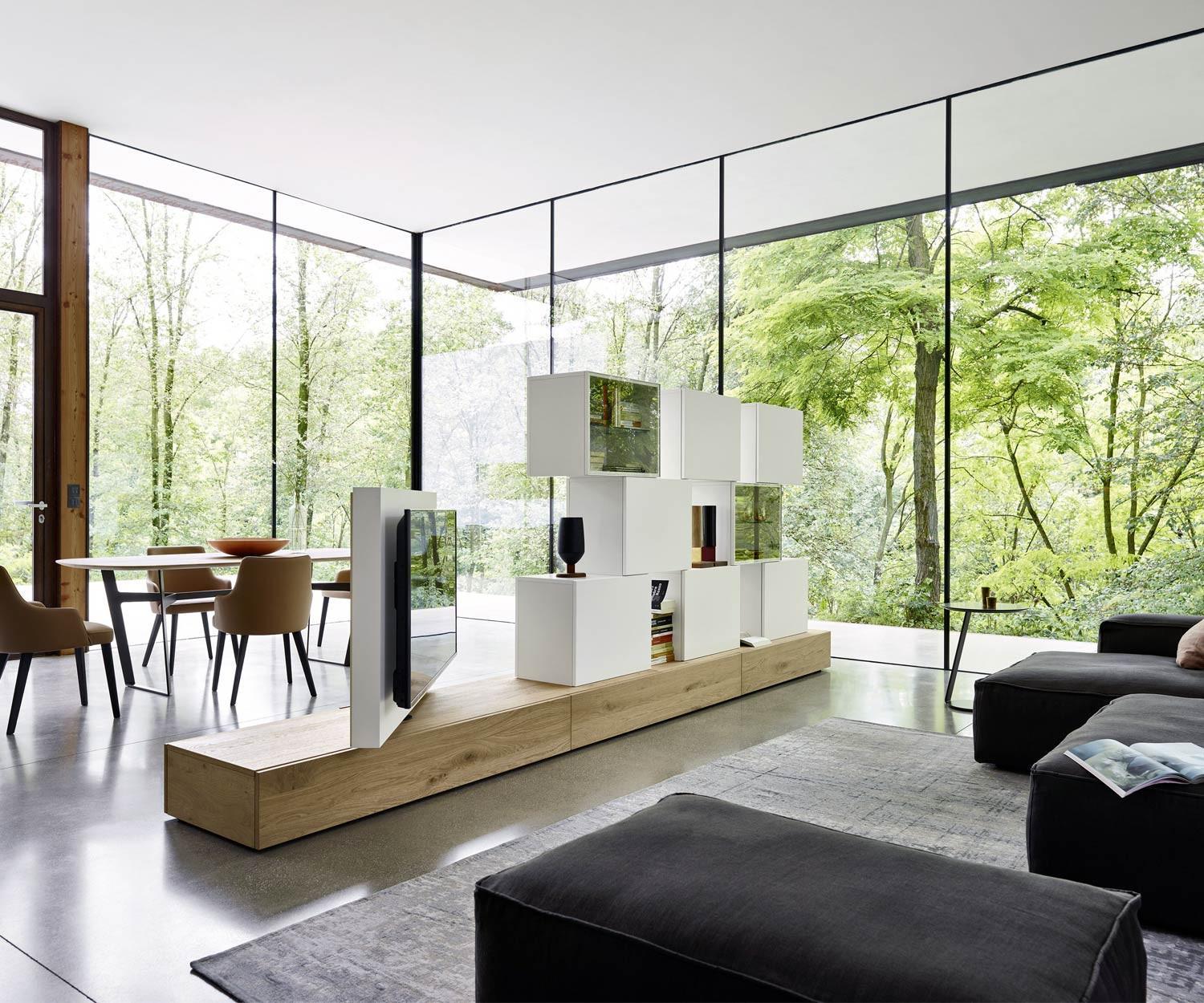 Product shown true to original. Room styling created by digital staging.
Livitalia Living Room Wall Unit C46 at Livarea
This unique design living room wall unit also functions as a room divider and is a real eye-catcher. The cube elements can be stacked individually, giving the bookshelf a distinctive look. The oak veneer lowboard has a back panel, making it look identical from both sides. The 180-degree swivel TV panel makes this modern wall unit usable from both sides and a clear focal point.
For us, the most beautiful living rooms always feature a wall unit of Italian manufacture.

Mira Celini
Interior Designer at LivareaAs an Interior Designer at Livarea – one of Germany's leading online shops for designer furniture since 2012 – I assist customers with furnishing their homes. My tips come directly from practical experience: honest, inspiring, and always with an eye for the extraordinary.
→ View all Trend Blog articles