













- Living Room Wall 2026: The 8 Styling Rules Designers Keep Secret
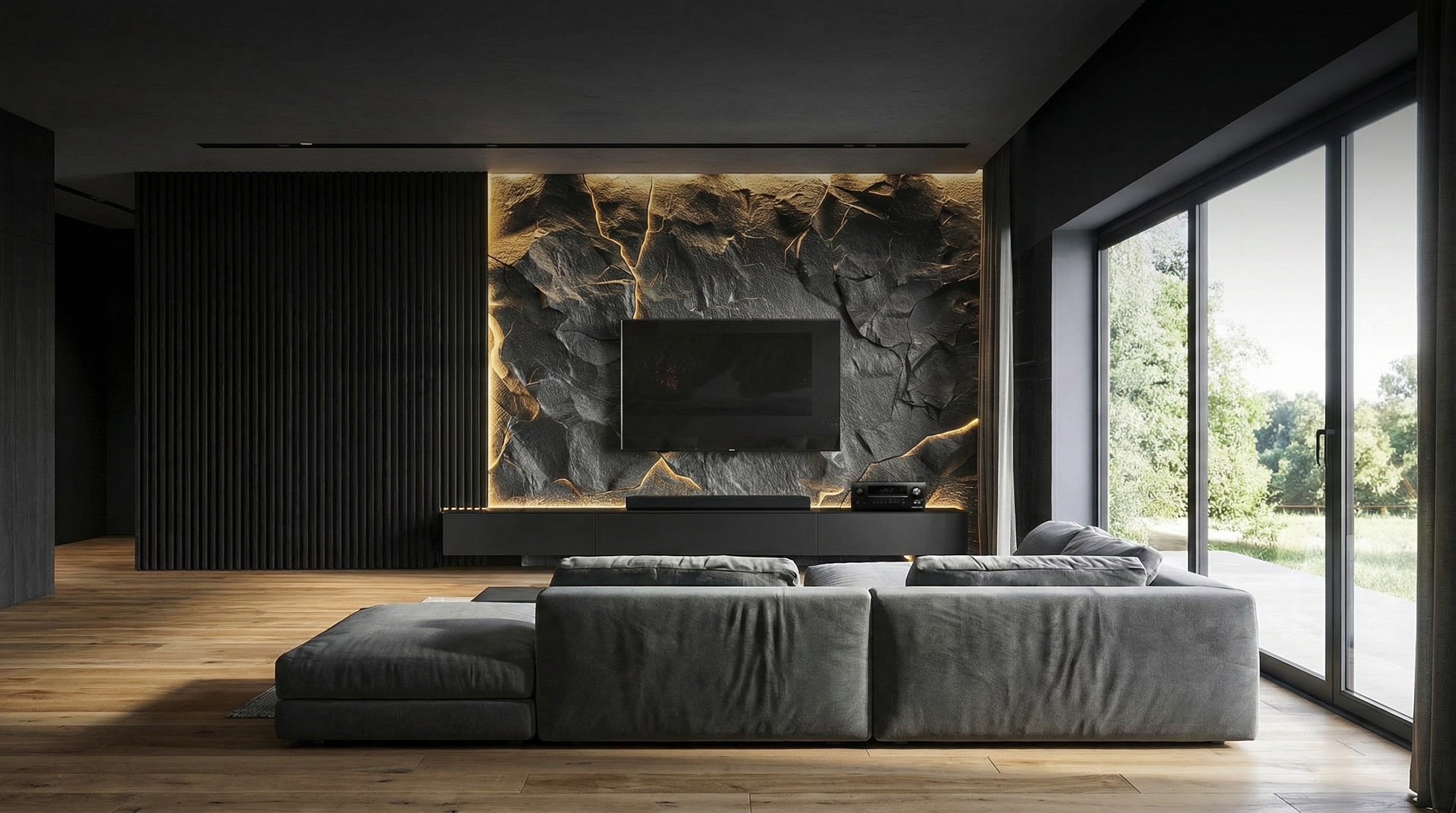 Living Room Wall 2026: The 8 Styling Rules Designers Keep SecretThe empty wall in the living area is often a design hurdle. Discover 8 exclusive designer ideas that transform your wall into a true highlight with floating elements, elegant natural materials, and perfect proportions.
 - Modern Round Dining Table: The Secret Designers Know
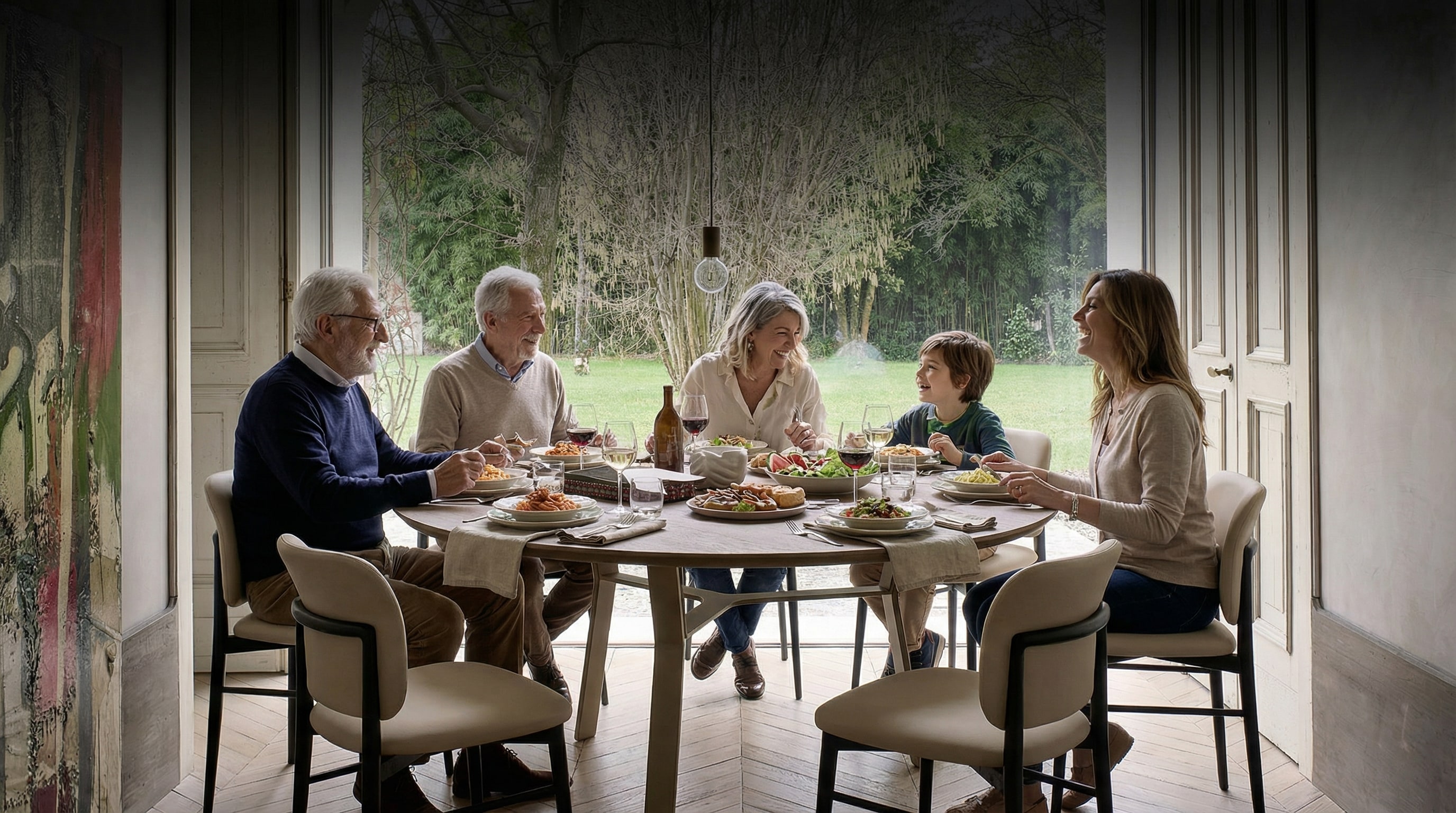 Modern Round Dining Table: The Secret Designers KnowA modern round dining table is the secret to flowing room concepts and better conversations. Discover why this organic shape currently dominates luxurious interior portfolios and what truly matters when it comes to materials. Livarea showcases the most important trends.
 - Round Bedside Tables: The Design Trick Against Cramped Spaces
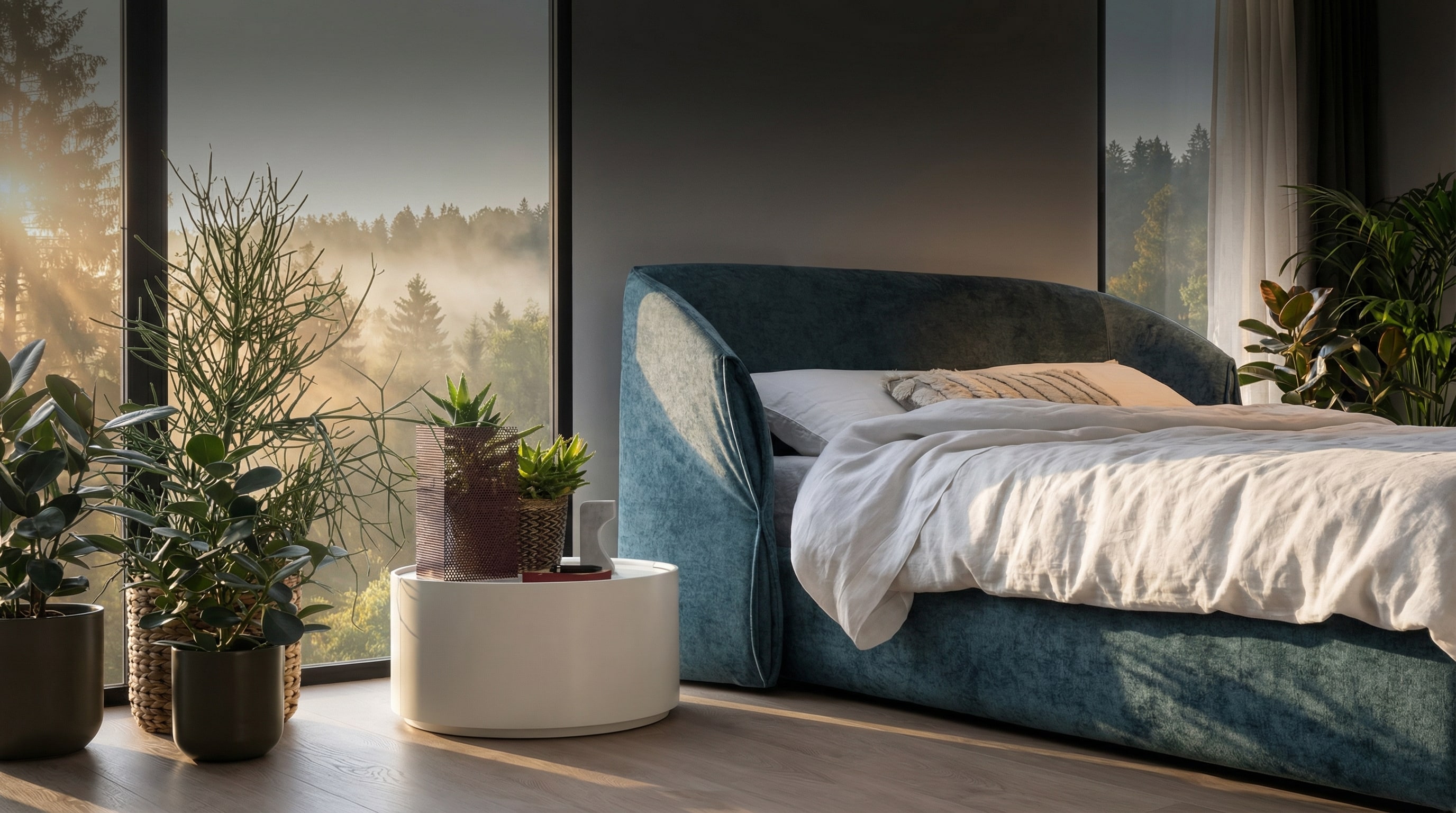 Round Bedside Tables: The Design Trick Against Cramped SpacesDoes your bedroom feel cramped despite ample space? Often, it's due to hard edges and angular furniture. Discover the secret of interior designers: Round bedside tables break room rigidity and instantly create visual spaciousness.
 - Experience Your Foosball Table: 5 Hidden Material Secrets
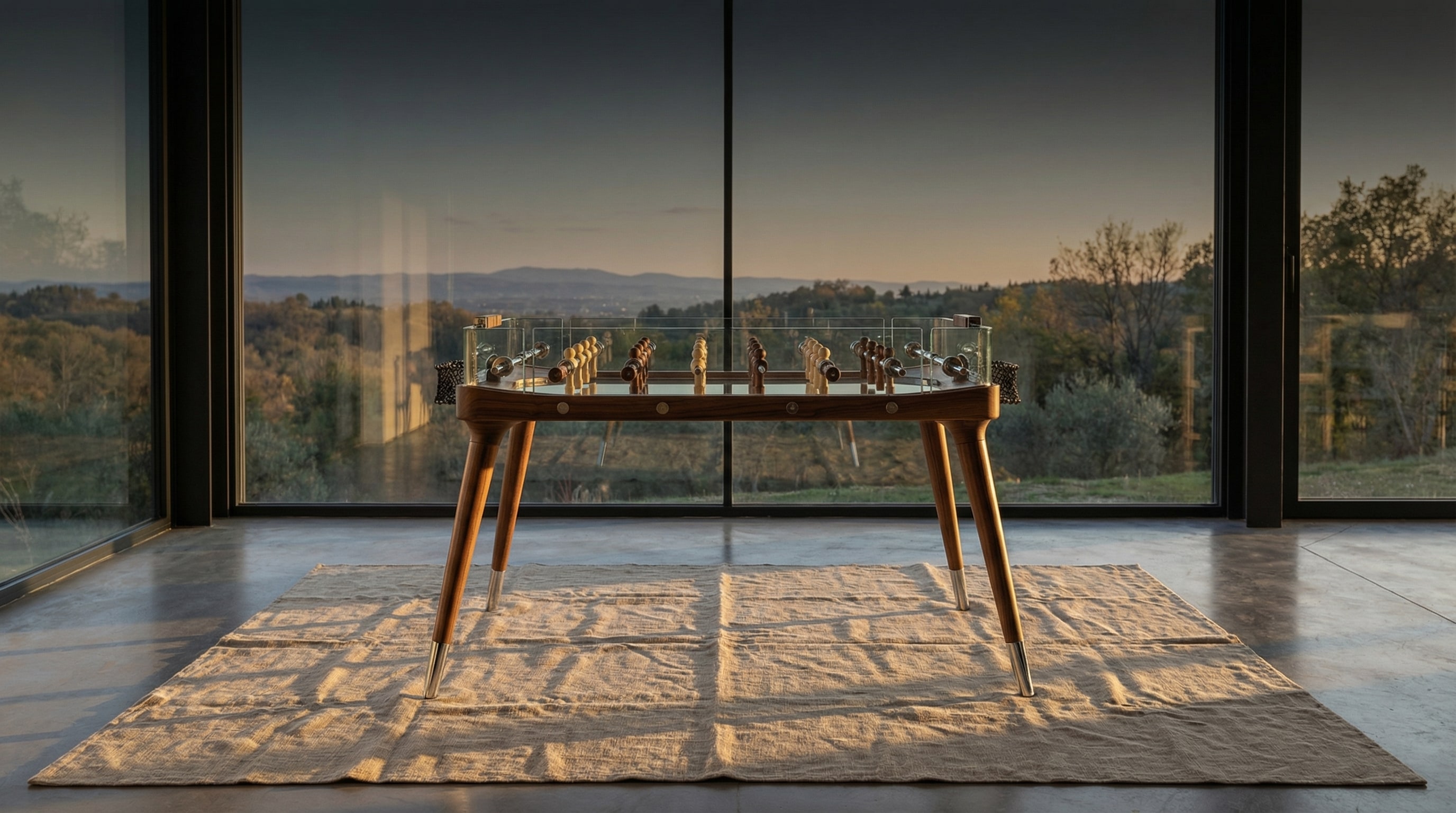 Experience Your Foosball Table: 5 Hidden Material SecretsDiscover how exclusive materials like crystal glass and solid wood transform the classic foosball table into a coveted design statement. We reveal 5 secrets on how to elegantly combine sociable evenings and uncompromising room aesthetics in your living room.
 - Order in the Bedroom 2026: The 3-Second Rule
 Order in the Bedroom 2026: The 3-Second RuleDiscover why interior therapists are advocating for radical visual stillness in bedroom trends 2026. Uncover the magical 3-second rule that instantly transforms your bedroom into a serene oasis. We reveal the 8 most important premium chests of drawers for a perfect digital detox.


Proper Furniture Care for Surfaces
Acquiring new furniture always raises questions about proper care. Dust, moisture, or cleaning agents can damage them or make them unsightly. Do wooden furniture pieces need to be re-treated with oil or wax? Or is a dry cloth sufficient? Livarea introduces you to the most important surfaces and provides helpful tips for protecting and preserving your furniture.
Furniture Care with the Right Cloths
For proper furniture care of surfaces, you need the right cloths. Ultra-microfibre cloths are particularly well-suited for this. They consist of super-fine fibres that leave no scratches. Due to their small and soft structure, they can pick up a lot of dust and therefore do not damage the surface of matt lacquered furniture.
For delicate surfaces such as high-gloss, do not use cloths with natural fibres. These are coarser than ultra-microfibre cloths and can cause micro-scratches. We advise against using feather dusters or Swiffer Dusters. These products are too sharp-edged in detail and can therefore leave scratches on sensitive surfaces.
Alternatively, solid wood or veneered furniture with visible grain can be vacuumed. With a suitable brush attachment, the grooves can be wonderfully cleaned.
Tip: Always ensure you use an absolutely clean microfibre cloth. After the first use, it must be thoroughly cleaned and free of any dirt particles (risk of scratching). Therefore, always wash it at the correct temperature and please without fabric softener.
- Ultra-microfibre cloths are the all-purpose weapon for furniture cleaning
- The super-fine fibres can pick up a lot of dust and do not cause scratches
- Also suitable for matt lacquered surfaces
- Do not use cloths with natural fibres
- We advise against feather dusters and Swiffer Dusters
- Vacuuming solid wood or veneered furniture with a suitable brush attachment is a good alternative to a microfibre cloth
Easy-Care Solid Wood Furniture Thanks to Modern Manufacturing
In terms of wood furniture care, a lot has changed for the better thanks to modern production. Previously, buyers of solid wood furniture had to pay close attention to their care. Customers were advised to oil the wood and sand it down if necessary. With the easy-care solid wood lowboard configurator from Livitalia, its surface is already oiled ex-works and does not require re-treatment for the next few years under normal use.
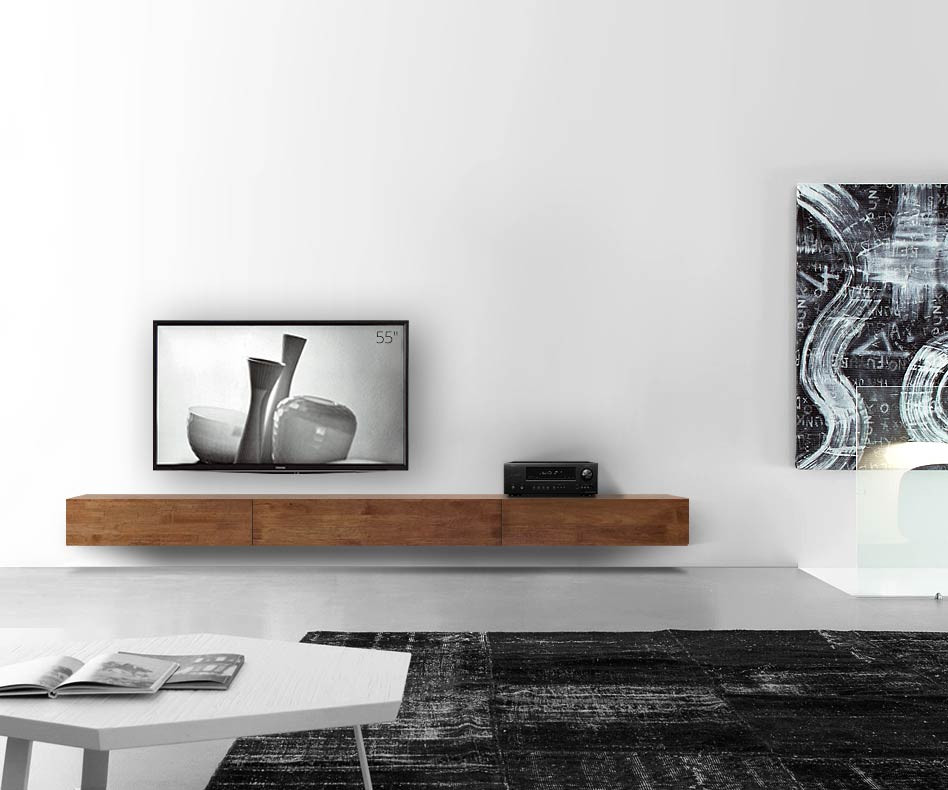
The easy-care solid wood lowboard from Livitalia is already oiled ex-works
The German oak wood therefore only requires dusting with a dry cloth. If necessary, clean the lowboard with a cloth lightly dampened with warm water. Avoid steam cleaners or grease-dissolving cleaning agents, as genuine wood really takes offence to these. If your furniture is exposed to particular stresses (e.g., strong sunlight), you should re-oil it after approx. 2-5 years.
Summary: Solid Wood Furniture Care:
- Dry cloth for dusting
- Lightly damp cloth with warm water for cleaning
- Do not use steam cleaners or grease-dissolving cleaning agents
- Re-oil after 2-5 years depending on use and as needed
How to Properly Re-oil Solid Wood Furniture?
We advise against using cooking oil, as mould can form after treatment. Professionals generally use linseed oil or hard oil based on linen. We recommend a wood care oil from a DIY store, which is specifically matched to the type of wood. A brush, a sponge, or a clean lint-free wool cloth can be used for application. Always spread the oil in the direction of the grain. After massaging it in, wait for fifteen minutes. Then, depending on the saturation level, re-oil a little more. Finally, polish with a dry cloth.
Important: Cloths soaked in linseed oil can self-ignite. Do not leave them crumpled up on or near flammable materials. Wash them thoroughly and preferably air dry them.
Summary: Re-oiling Solid Wood Furniture:
- Use linseed oil or hard oil based on linen
- Alternatively, a wood care oil from a DIY store depending on the wood type
- Apply with a brush, sponge, or clean lint-free cloth
- Spread the wood oil in the direction of the grain
- Allow to soak in for fifteen minutes
- Re-oil depending on the saturation level
- Finally, polish with a dry cloth
Caring for Veneered Furniture is Child's Play
Caring for veneer furniture is the same as for solid wood products. A cloth that is too damp will only cause the thin wood layer to swell. For the Kamuy dining table from Conde House, a dry anti-static cloth or a soft cloth is best for dusting. If you want to remove light dirt, it's best to use a lightly damp cloth with warm water.
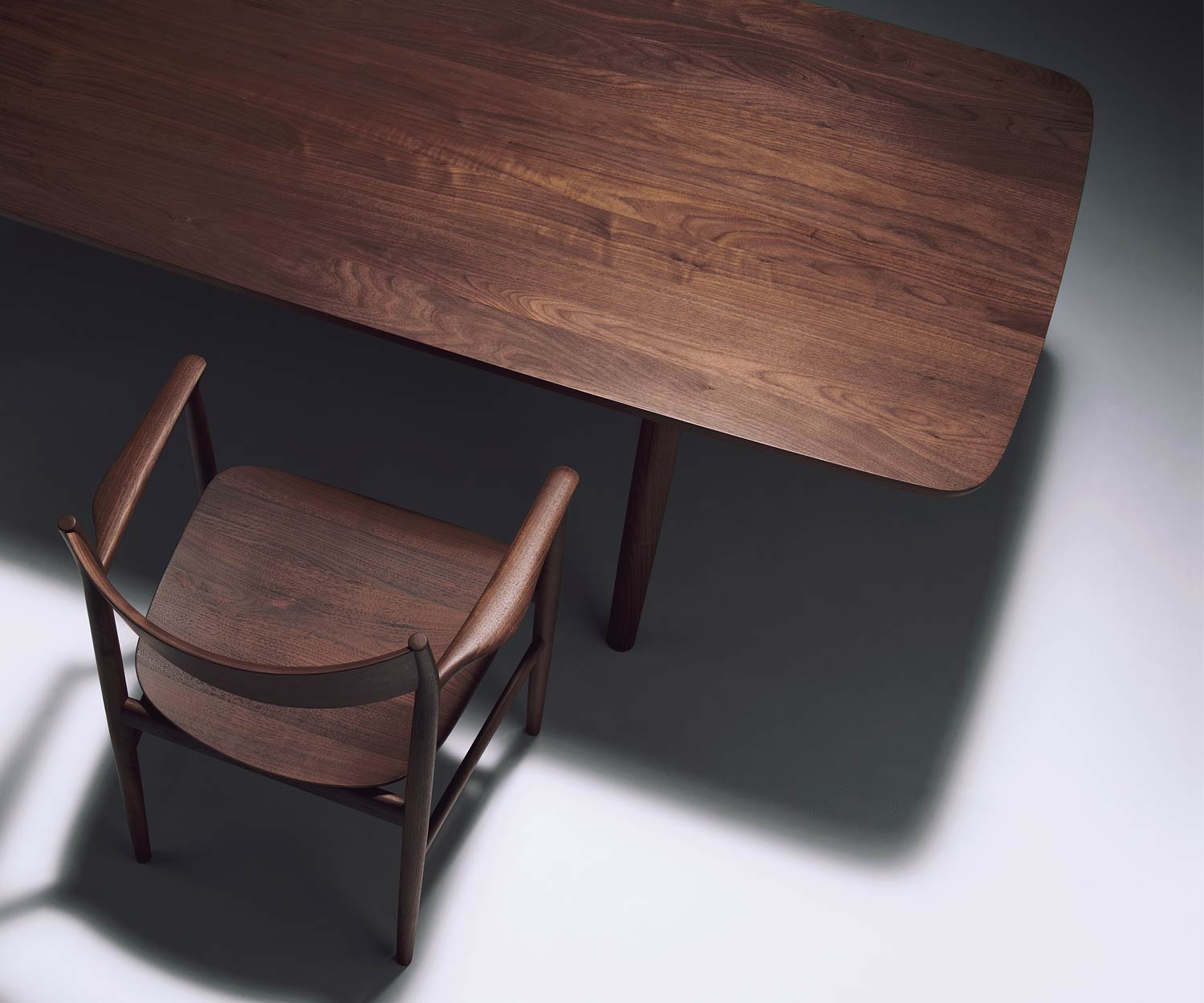
For the Conde House Kamuy table, a dry cloth is sufficient for dusting
Don't forget to wipe over with a dry dust cloth. Always wipe in the direction of the grain. The Kamuy table does not require treatment with furniture polish. For veneered furniture with a clear lacquer layer, however, polish can improve minor scratches. Protect your veneer surfaces from aggressive cleaning agents and immediately wipe up acidic liquids with a dry cloth.
Summary: Veneer Furniture Care:
- Dry anti-static cloth or soft cloth for dusting
- Lightly dampened cloth with warm water for cleaning
- Wipe over with a dry dust cloth
- Wipe in the direction of the grain
- Furniture polish retouches small scratches on veneered furniture with clear lacquer layers
- Avoid aggressive cleaning agents
- Wipe up spilled acidic liquids as quickly as possible
Care for Matt Lacquered Surfaces Without Furniture Polish
Matt lacquered furniture, such as the Livitalia Ecletto bedside table, is among the most popular surfaces in modern homes today. Lacquered furniture like chests of drawers or sideboards inherently comes with a protective layer that guards against dust and dirt. Similar to wooden surfaces, a damp cloth can be used here for dusting and cleaning.
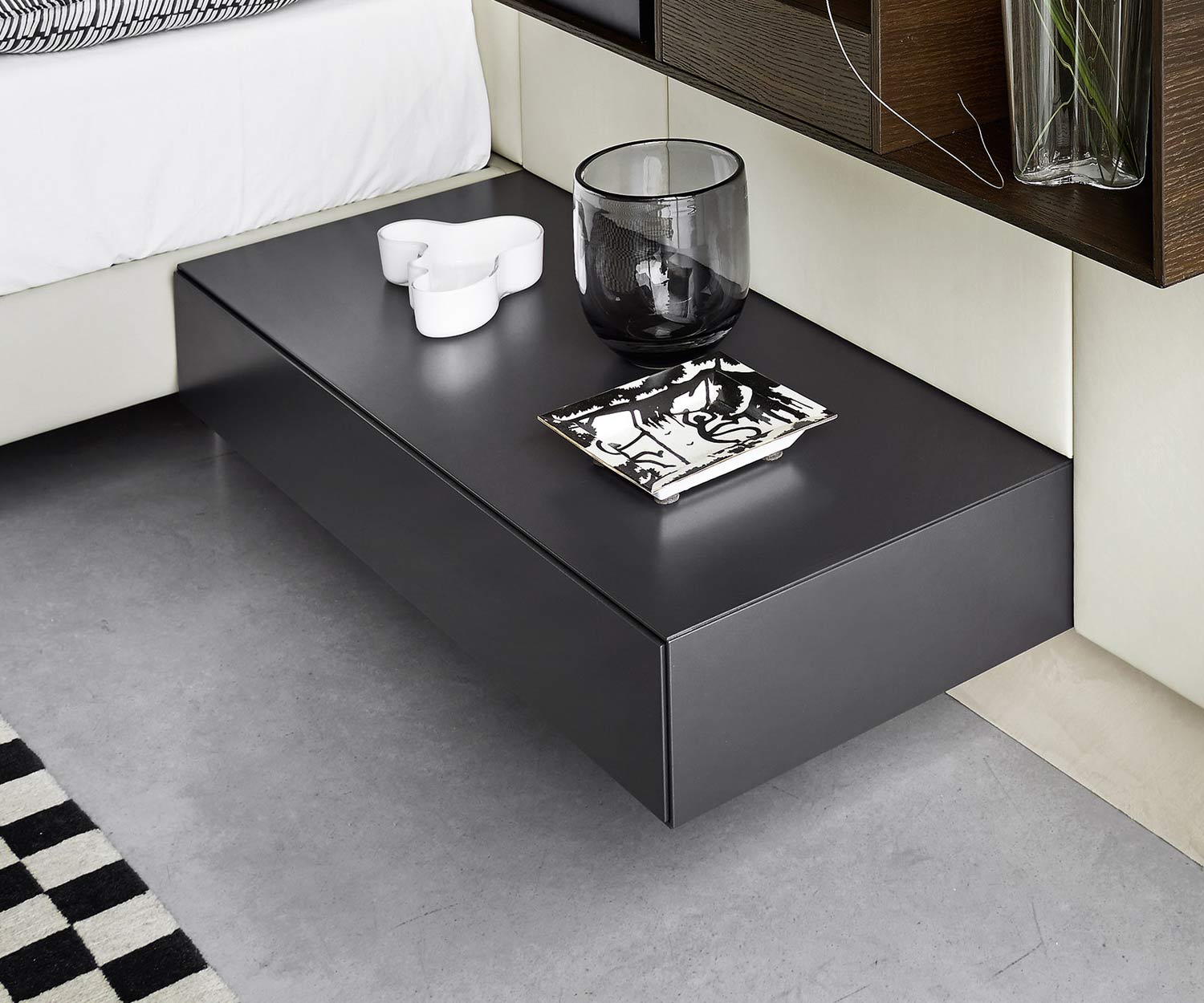
Light dirt can be removed from the Livitalia Ecletto bedside table with a damp cloth
Here too, it is important to wipe over with a dry cloth. We advise against cleaning agents, as the abrasive particles they contain can lead to surface damage. Never treat matt lacquered surfaces with furniture polish to remove scratches. You will only reduce the matt appearance of the furniture and create shine in the wrong place.
How do I care for matt lacquered surfaces?
- Dusting and cleaning with a damp cloth
- Always wipe over with a dry cloth
- Do not use cleaning agents or polishes
- Never work with furniture polishes
High-Gloss Surfaces Can Do Without Glass Cleaner
Furniture care for lacquered wood in high-gloss lacquer, as with the Livitalia Box Lowboard Configurator, is often misunderstood. The glossy front tempts furniture owners to use glass cleaner. These cleaning agents or certain solvents only attack the surface.
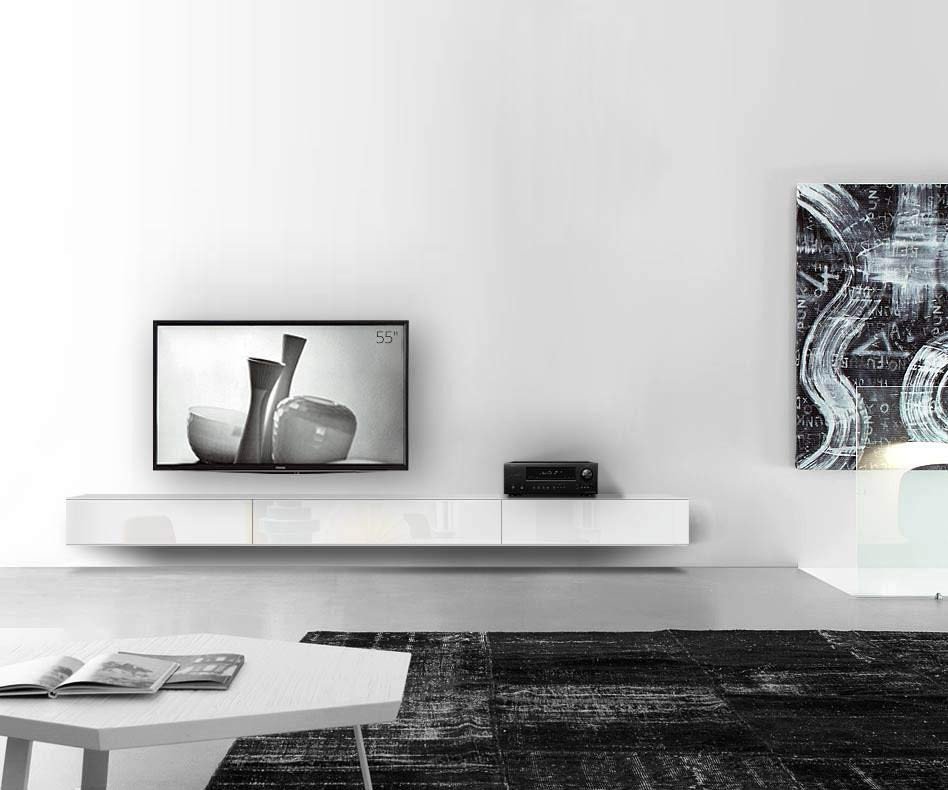
The Livitalia Box Lowboard Configurator, finished in white high-gloss lacquer, should not come into contact with glass cleaner
When wiping, apply little pressure and please only use damp cloths (lukewarm water). The use of furniture polishes for high-gloss surfaces to remove light scratches can be helpful.
Tip: Our high-gloss furniture comes with a protective film applied by the manufacturer upon delivery. Only remove this after positioning or installing the furniture piece. This prevents scratches or damage during assembly.
Summary: High-Gloss Surface Care:
- Use moderately damp cloths (warm water) for dusting and cleaning
- Wipe with light pressure
- Generally avoid solvents or cleaning agents (e.g., glass cleaner)
- Use furniture polishes sparingly to remove light scratches
Caring for Marble, But Correctly: A Unique Natural Product
The Marelli Stone coffee table features a beautiful Carrara marble tabletop. This natural product should preferably only be wiped dry. To avoid limescale deposits, a cloth should only be lightly dampened. Coloured liquids such as red wine must not be allowed to soak in, as they quickly penetrate the porous material and cannot be removed. Please wipe up carbonated drinks immediately, as they can etch the marble.
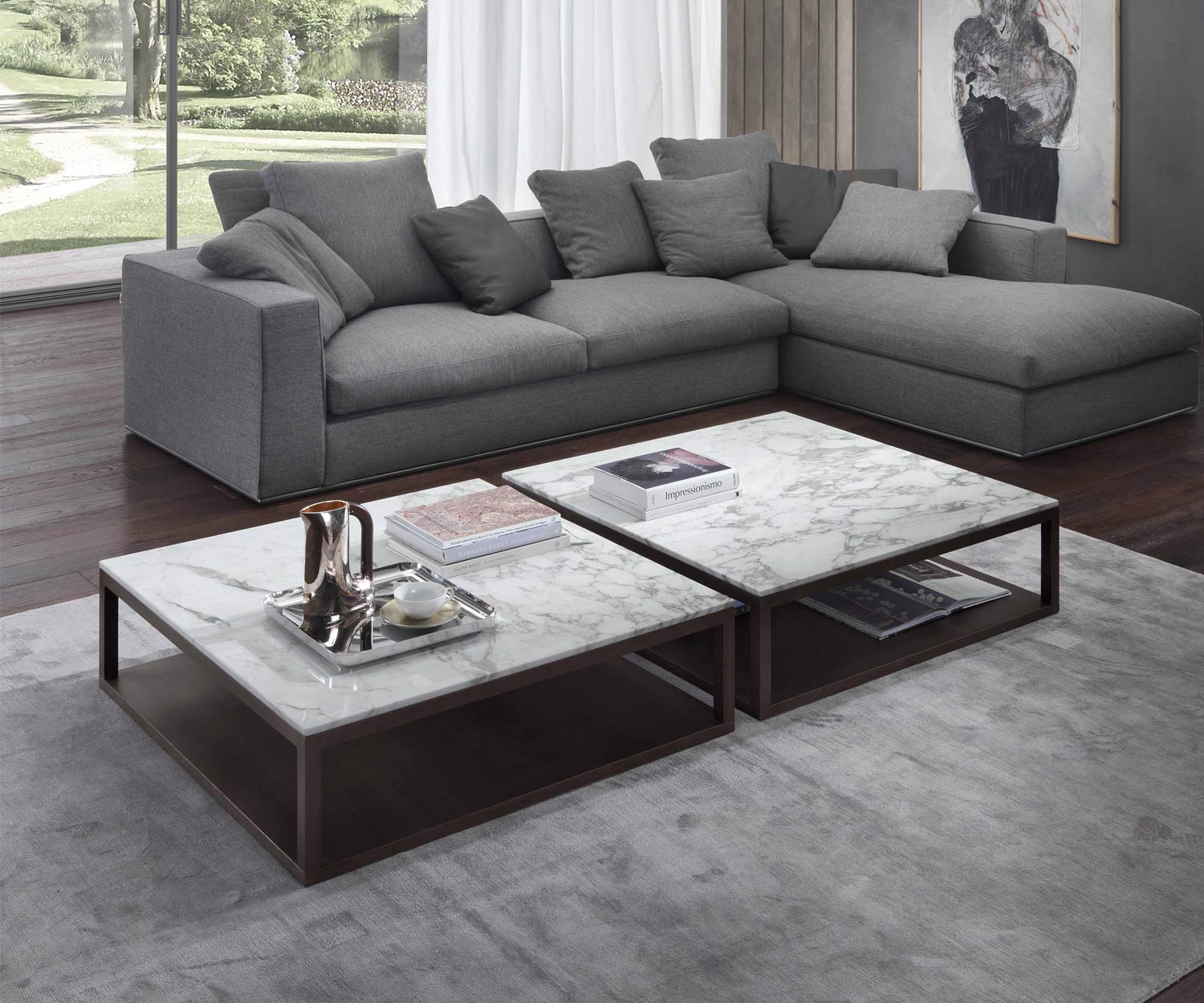
The X-Stone impregnation on the Marelli Stone coffee table improves the care of the delicate marble
Vinegar cleaner also dissolves marble due to the acid it contains. It is also sensitive to contact with alkalis (lyes). With a pH-neutral marble cleaner, you are always on the safe side. To elegantly circumvent some of these problems in furniture care, you can order an X-Stone impregnation. This impregnation provides temporary, improved protection and must be renewed annually depending on use.
Tip: If you consistently use coasters for drink glasses or vases, you will avoid unsightly water stains or moisture rings.
Important: Impregnation does not protect against attack from acids or alkalis.
How should marble furniture be cared for?
- Preferably only wipe dry
- Otherwise, clean with a lightly dampened cloth
- Immediately wipe up spilled coloured liquids with a dry cloth
- Immediately wipe up spilled carbonated drinks
- Do not use vinegar cleaners, avoid contact with alkalis
- Opt for pH-neutral marble cleaners
- A special impregnation facilitates care and offers protection
Conclusion:
If you follow our tips for proper furniture care, you will enjoy your designer furniture for a long time to come.
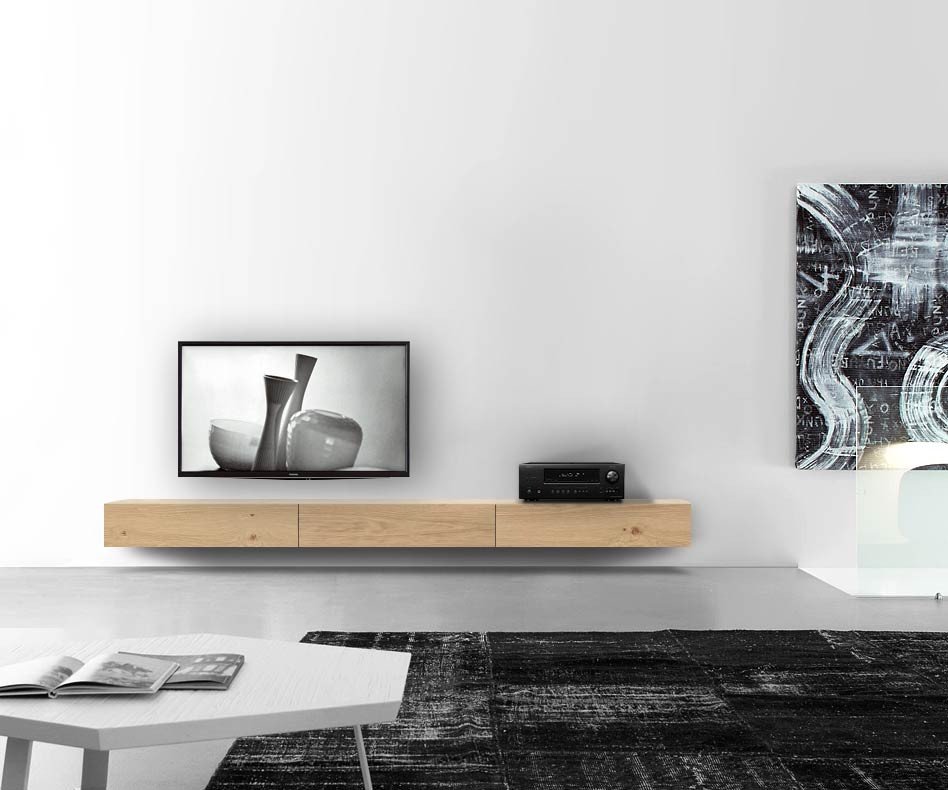
The oak veneer of the Livitalia Wood Lowboard Configurator does not tolerate a wet cloth

Mira Celini
Interior Designer at LivareaAs an interior designer at Livarea – since 2012 one of Germany's leading online shops for designer furniture – I help customers create their dream homes. My tips come straight from practice: honest, inspiring, and always with an eye for the extraordinary.
→ View all Trendblog articles